

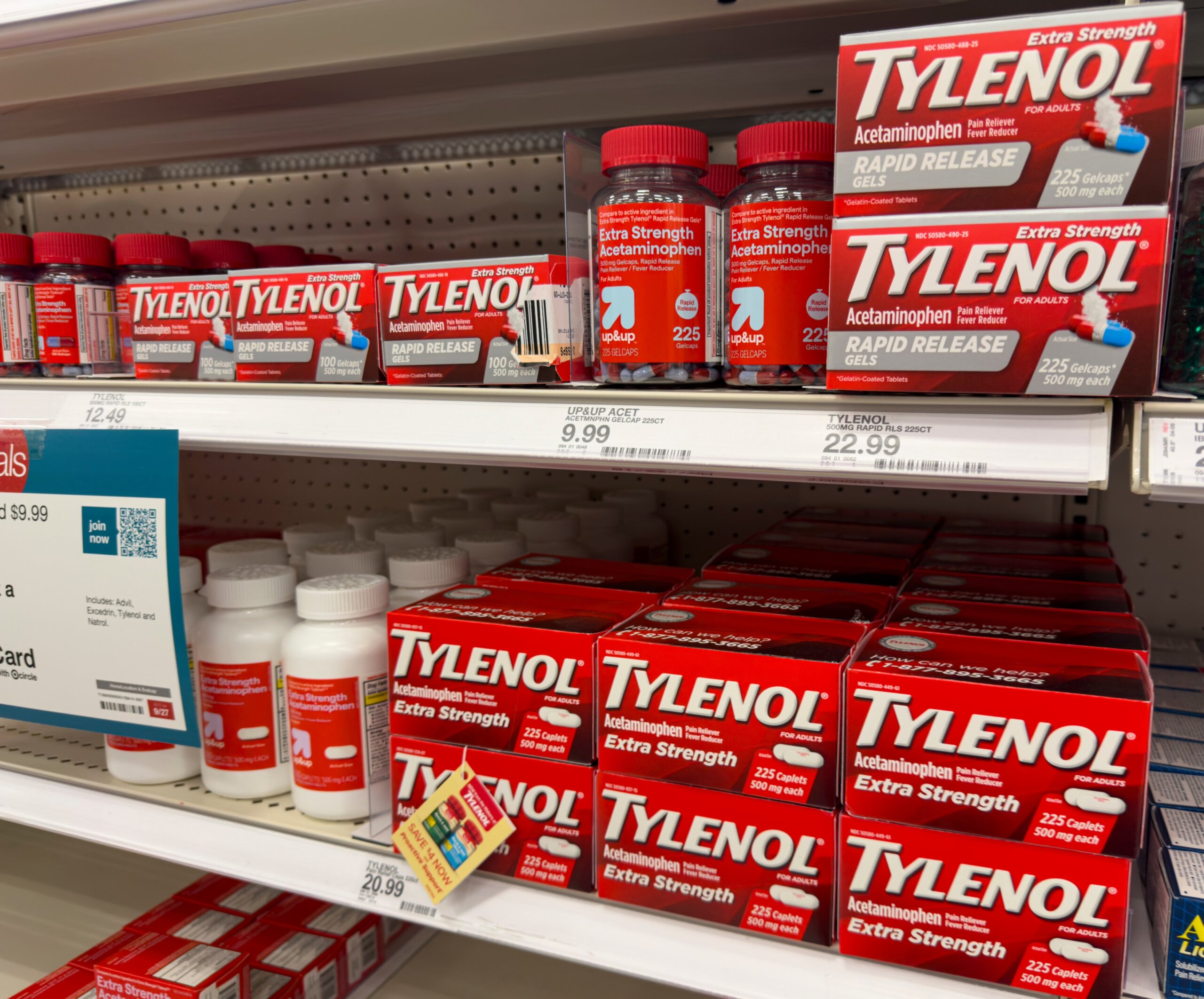
Kimberly-Clark is set to acquire Tylenol’s parent company Kenvue in a nearly $50 billion deal, creating one of the largest consumer products conglomerates in the world. The merger combines a portfolio of household brands with global reach, but it also comes with notable financial and regulatory risks that both companies must navigate carefully.
A pivotal consumer goods acquisition
The integration of Kenvue, a company that originated from Johnson & Johnson in 2022, brings together renowned brands such as Tylenol, Johnson’s baby items, Clean & Clear, Kleenex, Listerine, and Depends under a single corporate entity, alongside Kimberly-Clark’s current product range. The organizations anticipate that this consolidation will yield an annual income of $32 billion and establish an enterprise that will “impact almost half of the world’s inhabitants throughout their lives.” Upon the finalization of this deal, projected for the latter half of 2026, Kimberly-Clark’s stockholders will possess a controlling interest of roughly 54%, with Kenvue’s stockholders holding the remaining portion.
This deal represents a major consolidation in the consumer products sector, combining two companies with complementary portfolios and global distribution networks. Executives have emphasized the potential for operational synergies and enhanced market presence, noting that the merger will allow for the scaling of marketing, manufacturing, and distribution capabilities across multiple brand lines. Analysts suggest that the combination could strengthen the companies’ competitiveness against rivals such as Procter & Gamble and Unilever.
Financial and regulatory challenges
Even with the prospect of growth and market dominance, this acquisition carries intrinsic risks. Kenvue recently reported a 4.4% decline in its overall sales for the most recent quarter, and its self-care segment—featuring products like Tylenol—saw a 5.3% reduction. Company executives attributed these downturns to retailers reducing inventory and consumers, mindful of their budgets, choosing less expensive private-label alternatives, suggesting potential challenges in maintaining revenue expansion under a consolidated corporate structure.
The company also faces legal scrutiny linked to recent claims by the Trump administration. Texas Attorney General Ken Paxton filed a lawsuit alleging that Kenvue deceptively marketed Tylenol to pregnant women, suggesting a potential association with autism risk. Kenvue has strongly denied these claims and pledged to “vigorously defend” itself. Both Kimberly-Clark and Kenvue executives stated that these risks were thoroughly evaluated during due diligence, consulting with legal, regulatory, and medical experts before proceeding with the deal.
Kimberly-Clark CEO Mike Hsu described the acquisition as a “generational value creation opportunity,” while Kenvue CEO Kirk Perry emphasized the decades of scientific study supporting the safety of their products. The transaction will be executed through a cash-and-stock deal at $21.01 per Kenvue share, representing a significant premium over recent trading prices. The announcement triggered a 16% rise in Kenvue stock, while Kimberly-Clark shares fell nearly 13% on the same day.
Implications for the M&A landscape
The merger of Kimberly-Clark and Kenvue comes amid a broader surge in mergers and acquisitions in the United States, fueled by a regulatory environment that has encouraged corporate consolidation. According to Dealogic, this year has already seen $1.9 trillion in U.S. deals, the highest total since 2021 outside of the pandemic-driven boom. The Kenvue acquisition ranks as the third-largest transaction in 2025 to date, behind the Union Pacific–Norfolk Southern railroad deal ($72 billion) and Saudi Arabia’s Public Investment Fund purchase of Electronics Arts ($55 billion).
In the realm of consumer goods, a potential merger between Kimberly-Clark and Kenvue would rank as the fourth-largest transaction in history, surpassed only by Altria’s $111 billion divestiture of Philip Morris International in 2008, British American Tobacco’s $64 billion takeover of Reynolds American in 2015, and Procter & Gamble’s $61 billion acquisition of Gillette in 2005. Analysts within the sector point out that these substantial consolidations have the capacity to redefine market landscapes, modify competitive approaches, and impact pricing, new product development, and consumer options across international markets.
Strategic Prospects and Market Placement
For Kimberly-Clark, this merger presents an opportunity to expand its product portfolio and access new market niches. The combination of Kenvue’s consumer health goods with Kimberly-Clark’s hygiene, personal care, and paper offerings creates a more resilient entity, better positioned to navigate economic fluctuations. Management highlights potential benefits arising from consolidated supply chains, joint research and development initiatives, and global marketing approaches, all of which could enhance financial outcomes and brand visibility.
The consolidation additionally enables both entities to capitalize on their respective advantages: Kenvue offers highly recognized health and wellness brands enjoying significant consumer confidence, whereas Kimberly-Clark provides operational magnitude, distribution proficiency, and a robust footprint in global territories. Market observers propose that this synergy has the potential to fuel sustained expansion, although its success largely hinges on efficient integration and adept handling of both regulatory and reputational challenges, especially considering the persistent legal issues associated with Tylenol.
As Kimberly-Clark and Kenvue near the completion of their acquisition, market observers will be closely watching how the combined organization manages its vast portfolio of brands and navigates the challenges inherent in such a significant transaction. This consolidation underscores a wider trend of mergers and acquisitions within the consumer products industry, signaling deliberate efforts to enhance brand value, optimize operational efficiency, and expand global market reach.
While uncertainties persist concerning the effects of regulatory oversight and market volatility, the alliance between Kimberly-Clark and Kenvue signifies a daring maneuver within the business realm. The repercussions of this transaction could not only redefine the competitive arena for consumer goods but also indicate wider patterns in corporate consolidations and acquisitions for the foreseeable future, underscoring the critical role of magnitude, variety, and brand power in an ever-more integrated worldwide economy.
This takeover represents a pivotal juncture for both entities, presenting avenues to solidify their standing across various product lines and illustrating the deliberate gambles that underpin major corporate maneuvers. As the deal progresses towards its finalization, its implementation and how the market responds will establish a precedent for subsequent consolidations within the consumer wellness and personal hygiene industries.
