

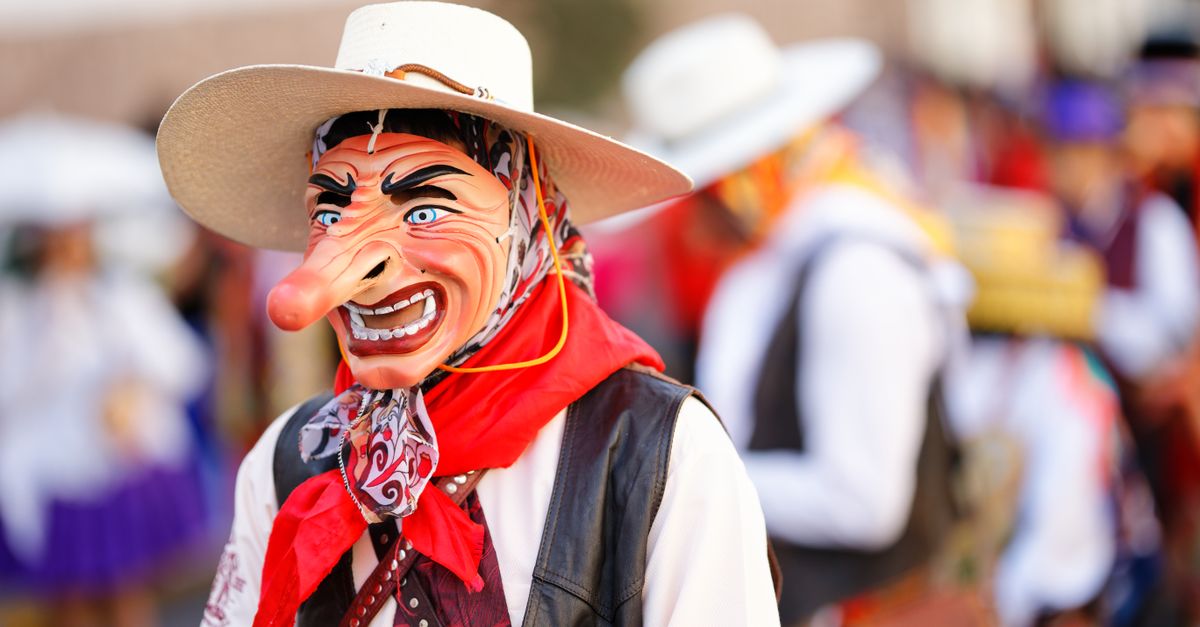
1. Rio de Janeiro Carnival – Brazil
The Rio de Janeiro Carnival is widely recognized as the largest and most famous carnival in the world, attracting an estimated 2 to 3 million people per day during its peak. Held annually before Lent, it transforms the city into a massive stage of music, dance, and spectacle.
At the core of Rio’s festivities lies the Sambadrome Parade, a venue where premier samba schools vie for glory featuring ornate floats, thousands of performers, and intricately crafted outfits. Preparations span the entire year, as local communities pour millions into choreography, soundtracks, and visual design. Outside the Sambadrome, countless neighborhood street gatherings foster a welcoming environment that merges heritage with modern-day culture.
2. Santa Cruz de Tenerife Carnival – Spain
The Santa Cruz de Tenerife Carnival situated in the Canary Islands is frequently regarded as the grandest carnival across Europe. Drawing upwards of 200,000 visitors during its peak days, it is celebrated widely for its colorful attire and magnificent processions.
One of its highlights is the election of the Carnival Queen, whose gown can weigh over 100 kilograms and cost tens of thousands of dollars to produce. The festival combines historical influences, satire, and elaborate performances, culminating in a symbolic “burial of the sardine,” which marks the end of festivities.
3. New Orleans Mardi Gras – United States
Mardi Gras in New Orleans is one of the most iconic carnivals in North America. With roots dating back to the 18th century, it draws over 1 million visitors annually.
The celebration is famous for its krewes—private social organizations that organize parades and themed floats. Bead-throwing traditions, masked balls, and jazz performances define the atmosphere. The event significantly boosts the local economy, generating hundreds of millions of dollars in tourism revenue each year.
4. Venice Carnival – Italy
The Venice Carnival is renowned for its elegance and historic ambiance. Dating back to the 12th century, it is famous for intricate masks and opulent costumes inspired by Renaissance art.
Unlike music-centric festivities, the Venice celebration highlights theatricality, masked galas, and creative contests. Piazza San Marco serves as the main hub for the revelry, attracting travelers looking for a mix of heritage, enigma, and aesthetic splendor.
5. Cologne Carnival – Germany
Known locally as the “Fifth Season,” the Cologne Carnival attracts more than 1.5 million spectators during its Rose Monday parade alone.
The festival stands out for its political satire, vibrant attire, and grand parades showcasing ornate floats. Community involvement plays a pivotal role, as neighborhood associations arrange activities that cultivate a deep sense of civic pride and local heritage.
6. Trinidad and Tobago Carnival – Trinidad and Tobago
The Trinidad and Tobago Carnival is often described as the birthplace of modern Caribbean carnival culture. It draws visitors from around the globe and significantly influences carnivals in cities such as London and Toronto.
Soca and calypso rhythms fill the air, accompanied by the driving beats of steelpan ensembles. This dynamic festival showcases vibrant street parades alongside fierce masquerade competitions, beautifully weaving together Caribbean, African, and European heritage into a dazzling display of culture.
7. Notting Hill Carnival – United Kingdom
Europe’s biggest street celebration, the Notting Hill Carnival situated in London, attracts approximately 2 million visitors throughout the August bank holiday weekend.
Drawing inspiration from Caribbean roots, this celebration highlights vibrant attire, powerful sound systems, and traditional steel bands. Originating during the 1960s to address societal friction, the gathering has evolved into an enduring emblem of diverse harmony and strength.
8. Barranquilla Carnival – Colombia
The Barranquilla Carnival stands out as one of the culturally richest festivals across Latin America and holds UNESCO recognition as an Intangible Cultural Heritage celebration.
Drawing over 1 million participants, the event showcases traditional musical genres, folkloric dances, and theatrical acts. Among its standout highlights are the Battle of the Flowers parade alongside the Grand Parade, with both spectacles celebrating the rich cultural heritage of Colombia.
9. Oruro Carnival – Bolivia
The Oruro Carnival combines indigenous traditions with Catholic symbolism, creating a deeply spiritual celebration.
Its central event, the pilgrimage to the Sanctuary of the Virgin of Socavon, involves thousands of dancers performing traditional choreographies such as the Diablada. Recognized by UNESCO, the carnival serves as both a religious devotion and a cultural showcase.
10. Binche Carnival – Belgium
The Binche Carnival is smaller in scale compared to Rio or New Orleans but holds immense cultural significance. Also recognized by UNESCO, it is famous for the Gilles—performers wearing wax masks, wooden clogs, and feathered hats.
Dating back several centuries, the carnival maintains strict traditional rules. Participants throw oranges into crowds as a gesture of goodwill, and the celebration emphasizes heritage preservation over commercial spectacle.
What Makes These Carnivals the Largest?
Several elements dictate a carnival’s international stature:
- Attendance figures: Millions of visitors flock to certain ones every single year.
- Economic impact: Massive tourism income is generated by leading events.
- Cultural significance: Centuries-old customs alongside UNESCO status heighten prestige.
- Media visibility: Global reach is amplified through digital coverage and international broadcasts.
- Scale of production: Year-round preparation is essential for elaborate parades, costumes, and grand floats.
Each of these carnivals reflects the identity, history, and artistic spirit of its community. From the samba-driven spectacle of Rio to the masked elegance of Venice and the steelpan rhythms of Trinidad, these celebrations demonstrate how collective joy, tradition, and creativity can transform entire cities. They are not merely festivals but living expressions of cultural memory and social connection, reminding the world that celebration is both an art form and a powerful force for unity.