

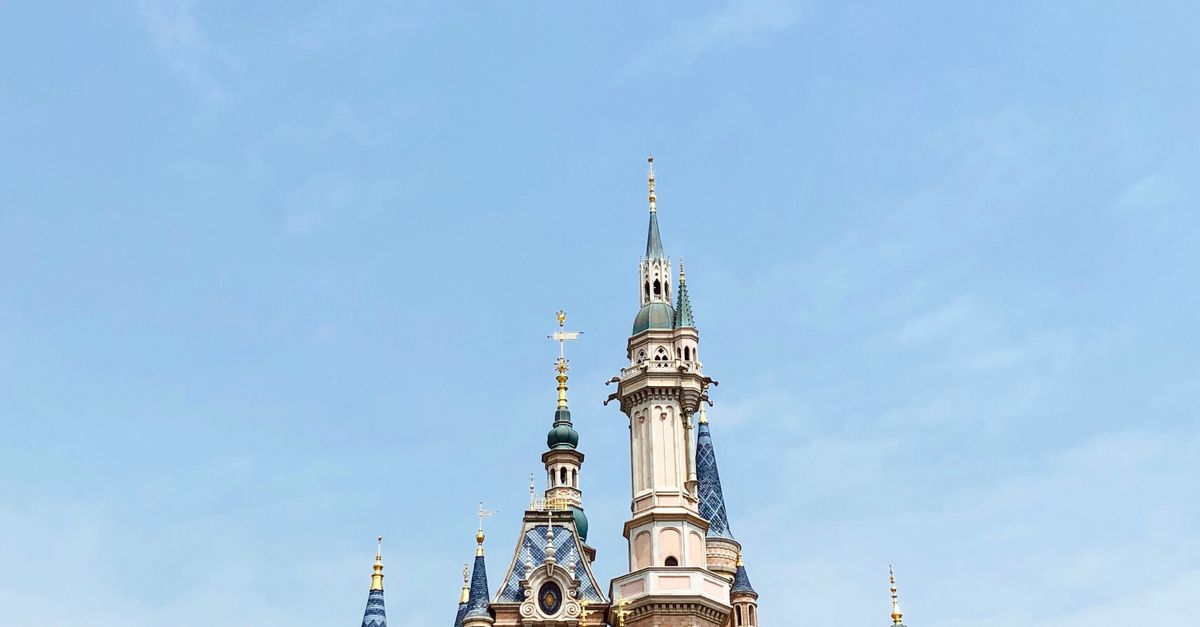
1. Magic Kingdom, United States
Location: Orlando, Florida
Annual Attendance: Over 17 million visitors
Magic Kingdom at Walt Disney World Resort consistently ranks as the largest and most visited theme park in the world by annual attendance. Spanning approximately 107 acres within a 25,000-acre resort complex, it blends immersive storytelling with high-capacity ride systems.
Iconic highlights feature Space Mountain, Pirates of the Caribbean, and Seven Dwarfs Mine Train. Divided into six distinct themed areas, the park is meticulously crafted with unique architectural styles, tailored musical atmospheres, and innovative ride systems designed to elevate overall immersion.
Its operational scale is immense, featuring thousands of daily cast members, advanced queue management systems, and seasonal events that sustain year-round attendance.
2. Disneyland Park, United States
Location: Anaheim, California
Annual Attendance: Around 16–17 million visitors
Inaugurated back in 1955, Disneyland Park stands as the quintessential Disney theme destination, continuing to hold its position as a top-tier attraction globally by visitor volume. Despite being physically more compact than Magic Kingdom, it boasts one of the most intense attendance densities across the planet.
Visitors navigate seamlessly across distinct zones like Adventureland, Tomorrowland, and Fantasyland thanks to the park’s efficient footprint. Vintage favorites such as Haunted Mansion and Indiana Jones Adventure pair traditional aesthetics with modern attraction technology.
Its global footprint is vast, having successfully shaped the contemporary framework for themed entertainment architecture.
3. Universal Studios Japan, Japan
Location: OsakaAnnual Attendance: Approximately 16 million visitors
Universal Studios Japan has expanded rapidly on the strength of aggressive intellectual property growth. Attendance figures surged significantly following the introduction of The Wizarding World of Harry Potter and Super Nintendo World.
The park leverages immersive environments, interactive wristband technology, and high-thrill rides such as The Flying Dinosaur. Its strong integration of gaming franchises has broadened its demographic appeal.
4. Tokyo Disneyland, Japan
Location: Urayasu, Chiba
Annual Attendance: Around 15–16 million visitors
Run under a Disney license by the Oriental Land Company, Tokyo Disneyland perpetually places among the leading theme parks globally.
The park is known for meticulous operations, seasonal overlays, and high guest satisfaction ratings. Attractions such as Pooh’s Hunny Hunt pioneered trackless ride technology, influencing global theme park engineering standards.
5. Shanghai Disneyland, China
Location: Shanghai
Annual Attendance: 12–14 million visitors
Inaugurated back in 2016, Shanghai Disneyland ranks as one of the most recent massive amusement destinations, covering almost 1,000 acres, which includes room for future growth.
Its centerpiece, TRON Lightcycle Power Run, introduced next-generation coaster design. The park integrates local cultural themes while maintaining global Disney intellectual properties, making it a major case study in international brand adaptation.
6. Universal Studios Hollywood, United States
Location: Los Angeles, California
Annual Attendance: 9–10 million visitors
Though smaller in acreage, Universal Studios Hollywood ranks highly due to its dual identity as both theme park and working film studio.
The Studio Tour continues to stand out as an iconic attraction, blending authentic production stages with engaging ride experiences. Meanwhile, recent additions like Super Nintendo World have further strengthened its market position.
7. Epcot, United States
Location: Orlando, Florida
Annual Attendance: Around 11–12 million visitors
Epcot stands out by blending futuristic thrills with global cultural showcases. Split into the World Showcase and World Celebration zones, the park pairs informative exhibits with high-capacity attractions like Guardians of the Galaxy: Cosmic Rewind.
Large-scale festivals throughout the year sustain repeat visitation and diversify revenue streams.
8. Chimelong Ocean Kingdom, China
Location: Zhuhai
Annual Attendance: Approximately 11 million visitors
Chimelong Ocean Kingdom stands as a premier marine-themed park across Asia. This destination merges thrilling roller coasters alongside colossal aquariums and engaging live animal displays.
The park features record-breaking attractions such as the Parrot Coaster and one of the world’s largest aquarium tanks. Its rapid growth reflects China’s expanding domestic tourism market.
9. Disney’s Animal Kingdom, United States
Location: Orlando, Florida
Annual Attendance: Around 9–10 million visitors
Animal Kingdom merges zoological exhibits with immersive themed lands. The addition of Pandora – The World of Avatar dramatically increased attendance.
The park’s main draw, Avatar Flight of Passage, employs cutting-edge simulation and projection technology to deliver an exceptionally authentic soaring adventure. Its unique combination of environmental advocacy and leisure sets it apart in the sector.
10. Universal Studios Beijing, China
Location: Beijing Annual Attendance: 9–10 million visitors
As one of the newest large-scale theme parks, Universal Studios Beijing covers more than 1,000 acres including resort facilities.
It features some of the most technologically advanced versions of Universal attractions, including enhanced versions of Transformers: Battle for the AllSpark and Harry Potter and the Forbidden Journey. Its rapid attendance growth highlights China’s strategic importance in the global theme park market.
What Makes These Parks the Largest?
- Attendance Volume: Annual visitor numbers remain the primary metric for determining size and global influence.
- Physical Footprint: Many span hundreds of acres with expansion capacity.
- Economic Impact: Each park generates billions in regional tourism revenue.
- Technological Innovation: Trackless systems, virtual simulation, and interactive environments drive repeat visits.
- Intellectual Property Integration: Strong global franchises sustain long-term demand.
Representing the absolute summit of scale, financial investment, and immersive engineering, these ten theme parks continuously push technological boundaries while redefining experiential design and shaping modern travel patterns. As cultural and economic landmarks in their own right, these large-scale themed environments demonstrate how global tourism and intellectual property monetization have evolved through their ongoing development.