

Which 10 cities offer the most cultural attractions per capita?
Florence, Venice, Salzburg, Bruges, Edinburgh, Santa Fe, Quebec City, Washington, Vienna, and Kyoto represent compelling options for globetrotters in search of outstanding cultural diversity compared to a metropolis’s demographic size. Their museums, historic landmarks, performance venues, and vibrant traditions deliver vastly more than just a quick sightseeing tour.
This is a curated list, not a verified statistical ranking. There is no consistent worldwide database of cultural attractions, and results change depending on whether a city counts galleries, places of worship, festivals, historic streets, or only ticketed venues. Population boundaries matter, too: a famous old center may contain a fraction of its municipality’s residents. The selections below favor a combination of attraction density, cultural variety, historical importance, and access for visitors.
1. Florence, Italy
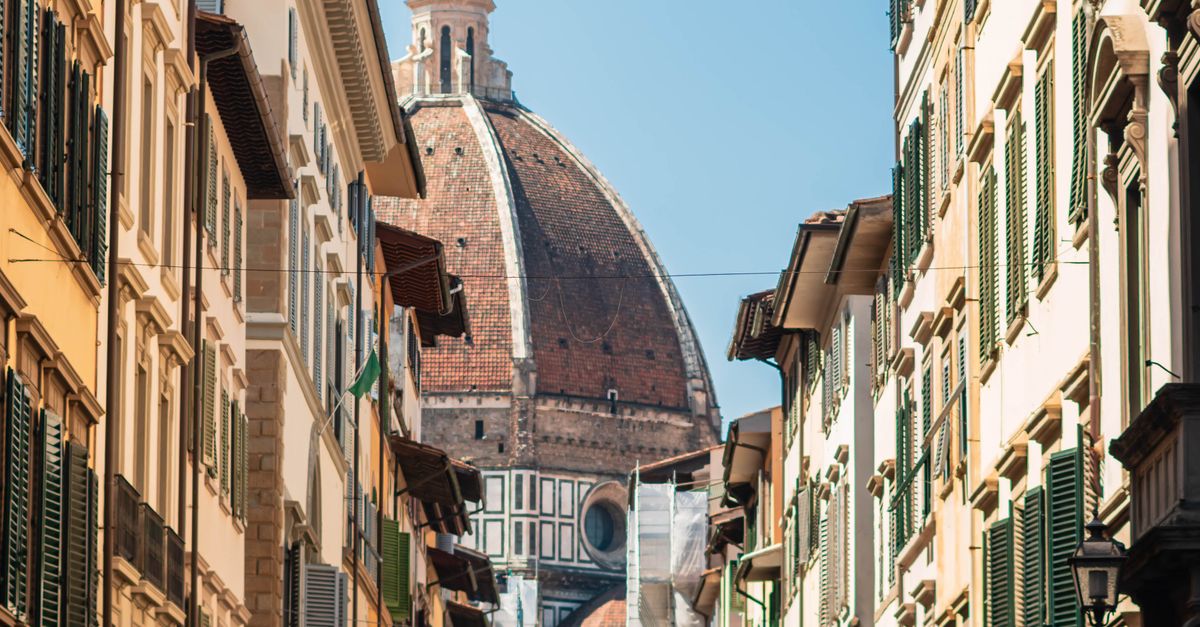
With roughly 360,000 residents, Florence has an extraordinary concentration of Renaissance art and architecture. The Uffizi Galleries, the Gallery of the Academy, the cathedral complex, and the Pitti Palace are major destinations within a compact urban area. Churches, public squares, and workshops extend the experience beyond museum doors.
Florence shines brightly due to the interconnected nature of its cultural landmarks: travelers might view a masterpiece inside a gallery, and subsequently stroll toward the very thoroughfares and structures linked to that exact creative era.
2. Venice, Italy
Venice combines an exceptionally rich historic center with an unusual population question. Its municipality has roughly 250,000 residents, but far fewer live on the historic islands where many attractions are concentrated. Using the island population makes its apparent attractions-per-resident figure much higher than using the full municipal population.
Saint Mark’s Basilica, the Doge’s Palace, the Grand Canal, major art museums, historic churches, and the Venice art exhibition give the city remarkable range. Its bridges, canals, and public spaces are also cultural attractions in their own right.
3. Salzburg, Austria
Roughly 155,000 residents live in Salzburg, yet the city sustains cultural landmarks of worldwide renown. Its castle, cathedral, old town, music museums, and concert halls sit close enough together that visitors can easily discover most of them on foot.
Music truly stands out as the city’s most distinct feature. The cultural landscape—already enriched by stunning architecture—gains extraordinary depth through Mozart’s enduring legacy and the renowned Salzburg Festival, which together fill the area with remarkable exhibitions and performances. Even though these festivities are seasonal rather than running all year long, they significantly broaden the overall range of cultural options available.
4. Bruges, Belgium
Bruges has around 120,000 residents and a remarkably intact historic core. Its canals, medieval squares, civic buildings, churches, and museums make everyday walking feel like a cultural visit. The Belfry of Bruges and the Groeninge Museum provide two different perspectives on the city: urban history and fine art.
Bruges scores especially well if historic streetscapes count as attractions. A ranking restricted to museums alone would give it a different position.
5. Edinburgh, Scotland
Home to approximately 520,000 people, Edinburgh blends a compact historic backdrop with a surprisingly vibrant cultural agenda. A constant year-round variety is provided by Edinburgh Castle, the National Museum of Scotland, the National Galleries, literary landmarks, and the distinct contrast between the old and new neighborhoods.
Its summer festivals add theater, comedy, books, music, and visual art on a scale few cities of similar size can match. The distinction is important: Edinburgh’s cultural opportunities are abundant throughout the year, but they peak sharply during festival season.
6. Santa Fe, United States
Santa Fe has about 90,000 residents, making its concentration of museums, galleries, and cultural institutions particularly striking. Visitors can explore the New Mexico Museum of Art, the Museum of International Folk Art, the Georgia O’Keeffe Museum, and numerous galleries within a relatively small city.
Its cultural scene likewise showcases ongoing Indigenous, Hispanic, and American creative legacies. Rather than viewing these practices strictly as tourist highlights, visitors will find that museums and civic gatherings serve as valuable educational avenues, whereas entry to neighborhood venues and rituals relies on local guidelines and personal invitations.
7. Quebec City, Canada
Home to roughly 550,000 people, Quebec City combines major museums with one of North America’s most distinctive historic urban landscapes. Its fortified old district, citadel, historic churches, and Museum of Civilization support several days of exploration without relying on a single landmark.
The city’s strongest case is the variety of ways visitors can engage with its past: through architecture, exhibitions, walking routes, and public spaces. Indigenous histories and contemporary perspectives are essential to a fuller understanding of that past.
8. Washington, United States
Washington has roughly 680,000 residents and an exceptional number of nationally significant institutions. The Smithsonian museums, the National Gallery of Art, the Library of Congress, historic houses, monuments, and performance venues create a broad cultural landscape.
A wealth of prominent museums grant complimentary general admission, rendering the municipality exceptionally approachable alongside its rich array of attractions. Nevertheless, the local populace fails to encompass the vast volume of sightseers and daily commuters engaging with these cultural hubs, rendering a straightforward per-capita metric somewhat flawed.
9. Vienna, Austria
Vienna’s population of roughly two million significantly exceeds that of several urban centers featured here. Furthermore, its cultural wealth is far greater. Prominent art museums, imperial palaces, historic churches, opera houses, concert halls, and design collections establish it as one of the most diverse cultural capitals on the planet.
Vienna demonstrates why the per capita metric shouldn’t serve as the sole benchmark. A compact urban area might provide a higher density of attractions relative to its population, whereas Vienna delivers superior depth across specific domains, notably classical music and the visual arts.
10. Kyoto, Japan
Kyoto is home to roughly 1.4 million people alongside an extraordinary wealth of shrines, temples, gardens, museums, and classic architectural wonders. Famous landmarks like Nijo Castle, Fushimi Inari Shrine, and Kiyomizu-dera merely scratch the surface of a far more expansive cultural tapestry.
Kyoto also shows the difficulty of counting attractions fairly. Treating every temple as one entry ignores differences in scale and access; counting only museums overlooks much of what makes the city culturally significant. Its strongest claim is the breadth of experiences available across many neighborhoods.
How to use this list
For the densest walkable concentrations of historic sites, start with Florence, Venice, Bruges, or Salzburg. For museum variety, consider Washington or Vienna. For cultural calendars, Edinburgh is especially strong; for long-standing traditions alongside major historic sites, Kyoto and Santa Fe reward a more attentive visit.
No single city can be named the world leader with confidence without a shared definition, consistent city boundaries, and a verified global count. What these ten cities demonstrate is more useful to a traveler than a fragile numerical ranking: cultural abundance can take the form of a compact old town, a network of public museums, an active arts community, or a tradition still shaping everyday life.