

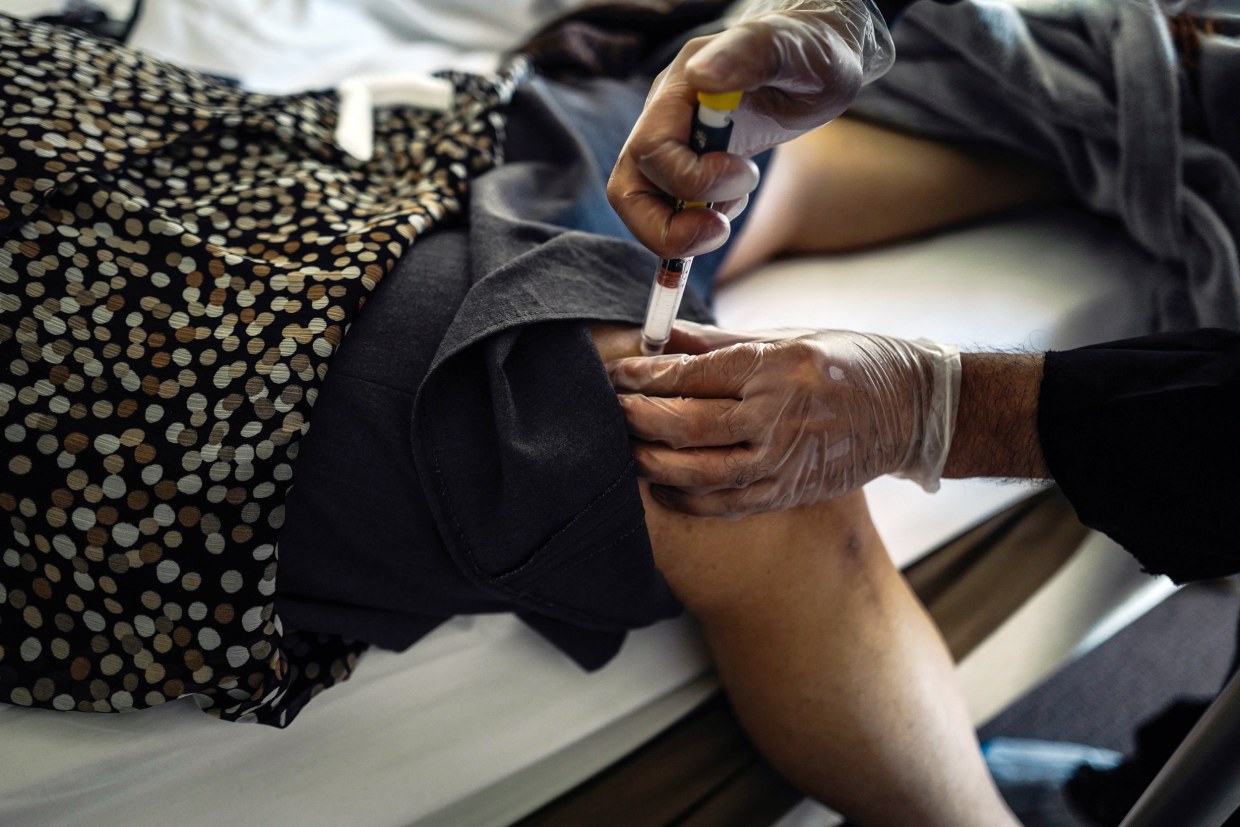
A recent withdrawal of injectable penicillin has caused concern among public health authorities, healthcare practitioners, and community groups devoted to managing sexually transmitted diseases. The withdrawal, impacting a particular batch of injectable penicillin primarily used to treat syphilis, might hamper the recent advances in fighting an illness that has alarmingly re-emerged in recent years.
Penicillin G benzathine, commonly known by the brand name Bicillin L-A, is the gold-standard treatment for syphilis, particularly in pregnant individuals, where it plays a critical role in preventing congenital syphilis—a condition passed from mother to baby during pregnancy. The safety and effectiveness of this injectable antibiotic make it the first-line therapy recommended by global health organizations, including the World Health Organization (WHO) and the Centers for Disease Control and Prevention (CDC).
The ongoing recall, prompted by possible concerns with the sterility of products or the integrity of packaging, has caused interruptions in supply chains at a critical moment. Over the past few years, various areas, including multiple states in the U.S., have seen an increase in syphilis incidents. Access to dependable penicillin has played a key role in addressing these surges. However, with limited supplies, some medical professionals are finding it challenging to uphold treatment guidelines, particularly in community health centers and rural locations that depend significantly on public health initiatives.
While alternative antibiotics exist, none are as universally effective as injected penicillin, particularly for certain stages of the disease or for pregnant patients. Oral regimens, for instance, require prolonged administration and are not always suitable for all patient groups. Moreover, switching to alternatives can create logistical and adherence challenges, particularly in vulnerable populations.
Healthcare systems are already experiencing strain as they attempt to ration existing stock. Public health departments have issued guidelines prioritizing high-risk cases, especially pregnant individuals and those with primary or secondary syphilis. These efforts aim to mitigate the most serious consequences of untreated infection—neurological complications, cardiovascular damage, and vertical transmission during pregnancy.
The period when this disruption occurs is especially crucial. Following years of reduction, syphilis has resurfaced as a significant health issue in numerous nations. In the United States, the number of reported cases has surged significantly over the last ten years, with the incidence of congenital syphilis—which spreads from mother to unborn child—hitting levels unseen for over two decades. The causes of this revival are varied: limited availability of sexual health services, social factors like poverty and unstable housing, and a drop in public awareness contribute to this pattern.
Now, with the recall constraining one of the most effective tools for treatment, experts warn that recent progress could stall or even reverse. Some health professionals are concerned that this setback could lead to higher rates of transmission, especially in underserved communities where access to timely care is already limited.
In response to the recall, public health agencies are working to secure alternative supplies and streamline distribution to the hardest-hit areas. Manufacturers are also under pressure to resolve quality control issues quickly and resume production. In the meantime, clinicians are being advised to review updated treatment protocols and consider triaging patients based on clinical urgency.
Medical organizations have voiced disappointment about the absence of a unified national strategy in response to the recall. Some are advocating for greater investment in domestic pharmaceutical production to avert future shortages of vital drugs. Meanwhile, others believe that a comprehensive reassessment of how essential therapies are manufactured and supplied is needed to make healthcare systems robust against such disturbances.
At the same time, public health messaging must continue to emphasize prevention, testing, and early treatment. Increased outreach and education are key to controlling the spread of syphilis, particularly among groups with higher rates of infection, such as men who have sex with men, individuals living with HIV, and people in areas with limited healthcare access.
Digital health tools and telemedicine may also play a role in this effort. By enabling remote consultations and facilitating prescription access, these platforms can help bridge some of the gaps caused by limited in-person care availability. However, such tools must be implemented with care to avoid widening disparities among populations with limited internet access or digital literacy.
The recall has also reignited discussion about the fragility of global supply chains for critical medical products. The COVID-19 pandemic exposed similar vulnerabilities, prompting calls for greater self-sufficiency and transparency in pharmaceutical manufacturing. With syphilis now added to the list of public health concerns affected by supply constraints, the urgency of these reforms becomes more evident.
In the midst of this challenge faced by the healthcare sector, there is widespread hope that the situation will lead to enduring enhancements in the production, distribution, and delivery of vital medications. This situation also highlights the critical need for a strong public health infrastructure that can swiftly respond to unforeseen shortages or recalls.
For now, the priority remains clear: protect those most at risk, particularly pregnant individuals, infants, and underserved populations. Ensuring they receive uninterrupted access to effective treatment is essential not only to their health but also to the broader effort to reduce syphilis transmission on a population level.
The recent recall of injected penicillin serves as a stark reminder of how vulnerable disease control efforts can be to supply disruptions. As healthcare providers and policymakers work to manage the fallout, the situation highlights the need for sustained investment in public health, infrastructure resilience, and equitable access to treatment. Without such measures, hard-won progress in controlling syphilis and other infectious diseases may remain dangerously fragile.