

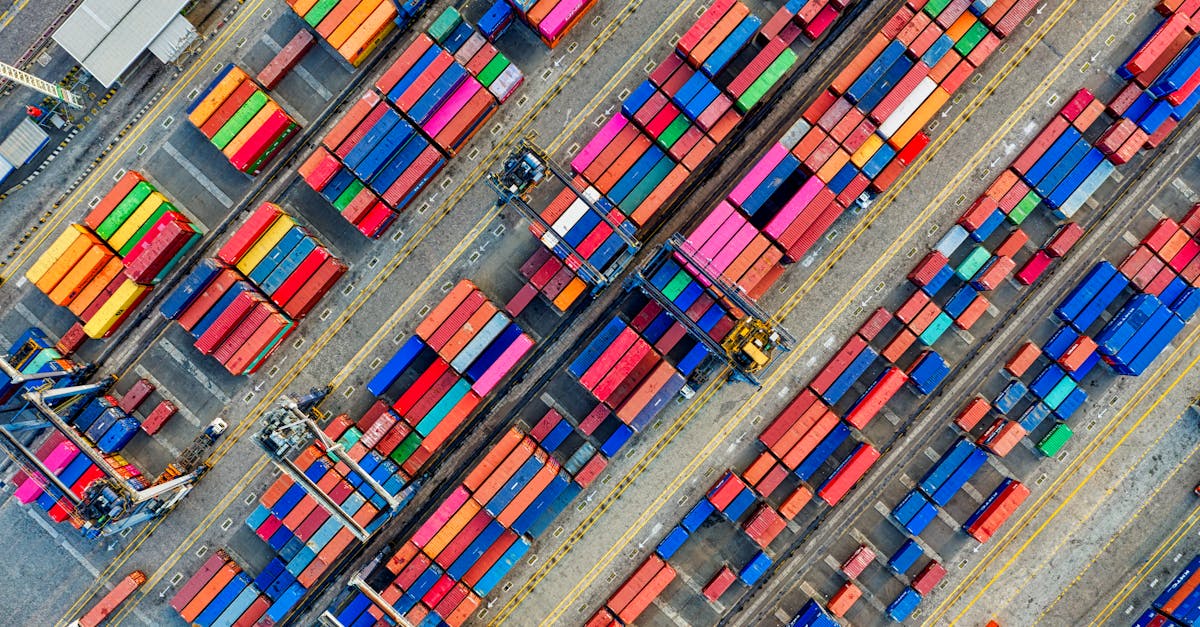
Standards encompass the rules, specifications, testing approaches, and conformity procedures that define the qualities products and services must meet to access a market, covering everything from technical requirements for home appliances and sanitary guidelines for meat to data‑protection practices and private sustainability certifications set by multinational purchasers. By cutting information imbalances and enhancing interoperability, well‑crafted standards can reduce transaction costs, strengthen consumer confidence, and stimulate trade. Yet these same standards may also function, deliberately or not, as obstacles that limit rivals, divide markets, and alter global value chains. Their distributional consequences are significant, as the gains, burdens, and exclusions they generate hinge on capabilities, institutional contexts, and negotiating strength.
Types of standards and how they operate
- Technical standards: specifications for product design, safety, performance and interoperability (for example, electrical plug types, video codecs, telecom protocols). They enable scale and compatibility across markets.
- Regulatory standards and mandatory requirements: legally enforced rules such as safety, environmental limits, or sanitary and phytosanitary (SPS) measures. Governments enforce these through border inspections, approvals, or bans.
- Conformity assessment and accreditation: the testing, certification and inspection procedures that show a product or firm complies with a standard. Conformity assessment is often where costs concentrate.
- Private and voluntary standards: retailer codes, sustainability labels, and corporate procurement rules (for example, GlobalGAP, Fairtrade, organic certification). These are often required to access premium distribution channels.
- Digital and platform standards: software interfaces, data formats, encryption and privacy standards that determine interoperability and data flows across borders (for example, API specifications, encryption protocols, and data protection regimes).
How standards facilitate trade
- Lowering transaction costs: Common rules and accepted tests reduce the need for repeated checks and lower uncertainty about product quality.
- Enabling scale and innovation: Interoperability standards let firms sell at scale across markets and allow complementary innovations (apps, components, services) to flourish.
- Building consumer confidence: Safety and quality standards increase acceptance of foreign products, expanding market reach.
- Reducing duplication through mutual recognition: Mutual recognition agreements (MRAs) and harmonized standards mean a single test or certification can be accepted in multiple markets, cutting costs and delays.
How standards become barriers
- Compliance cost and fixed expenditures: Tests, certifications, and facility upgrades impose fixed costs that are proportionally higher for small firms and exporters from poorer countries.
- Information and administrative hurdles: Complex rules, opaque procedures, and inconsistent enforcement create delays and unpredictability at the border.
- Technical discrimination and “gold-plating”: Standards designed around domestic technologies or practices can favor incumbents and raise entry costs for outsiders.
- Certification capture and rent-seeking: If conformity assessment is concentrated among accredited providers tied to domestic firms, outsiders face higher prices or biased testing.
- Private standards and buyer power: Lead firms in global value chains and large retailers can impose voluntary standards that small suppliers struggle to meet without costly investments.
- Strategic use of standards for political ends: States may use security, environmental or data-protection standards to restrict access to strategic markets or technologies.
Those who end up shut out: the principal losers
- Small and medium-sized enterprises (SMEs): They face the greatest relative cost of certification, upgrades, and delays. Many lack the resources to pre-finance testing or meet documentation demands.
- Producers in low-income countries: Weak testing laboratories, limited accreditation, and poor regulatory institutions make it hard to demonstrate compliance even when goods meet technical requirements.
- Informal and subsistence producers: Smallholder farmers and informal manufacturers often cannot meet private retail standards such as traceability or food-safety certification and thus lose access to high-value markets.
- New entrants and startups: Standards that favor legacy platforms or require costly interoperability testing can slow entry and entrench dominant firms.
- Consumers in excluded markets: When standards segment markets, consumers in less attractive jurisdictions may face higher prices or reduced choice.
- Countries without rule-shaping power: Nations with limited participation in international standard-setting bodies may find international standards shaped to the advantage of countries with greater technical influence.
Empirical examples and illustrative scenarios
- EU REACH chemicals regulation: The EU’s Registration, Evaluation, Authorisation and Restriction of Chemicals (REACH) obliges manufacturers and importers to register substances and submit detailed safety information. While REACH strengthened consumer safeguards and encouraged the development of safer alternatives, its extensive data demands and compliance expenses increased the burden on non-EU exporters. Some smaller enterprises altered their sourcing choices or withdrew from EU markets instead of absorbing testing and registration costs.
- CE marking and conformity assessment in the EU: CE markings grant entry to the European market by confirming alignment with EU safety rules. Many exporters view this as a vital access point, yet for small suppliers the expense of testing and coordination with notified bodies can be overwhelming without external assistance.
- Private standards and horticulture exports: Major European supermarket chains require GlobalGAP certification and full traceability from their suppliers. African horticulture producers that organized cooperatives and invested in meeting these standards have gained advantages, whereas isolated smallholders have been excluded or pushed toward lower-value domestic markets.
- Data protection and digital services: The EU’s General Data Protection Regulation (GDPR) introduced rigorous conditions for handling personal data. Companies across the world adjusted their data policies or limited service availability for EU users. Some smaller firms chose to reduce their EU presence rather than bear the high costs of compliance.
- Standards in telecommunications and 5G: Choices regarding encryption, trusted vendors and interoperability frameworks increasingly became elements of geopolitical rivalry. Bans on specific suppliers effectively removed them from entire national markets, altering supply chains and influencing which standards gained traction.
- Codec and platform standards: Past format clashes — including VHS versus Betamax and Blu-ray versus HD DVD — illustrate how technical specifications combined with licensing arrangements and platform dominance can determine market winners and losers.
- WTO dispute examples: Many disputes brought before the WTO concern technical regulations and sanitary measures, highlighting the ongoing tension between valid public-policy objectives and the protectionist use of standards.
Quantifying the effect: trade costs and non-tariff measures
- Trade economists measure the effect of standards through non-tariff measures (NTMs), border delays, testing costs and incidence of rejected shipments. Empirical studies consistently find that compliance and regulatory differences raise trade costs and reduce trade flows — particularly for agricultural and processed food sectors where SPS measures and testing are frequent.
- While the magnitude varies by sector and product, a typical pattern is that the relative burden of conformity costs is much higher for low-volume exporters and for goods requiring complex testing or sanitary checks.
Mechanisms that help mitigate exclusion
- Harmonization and mutual recognition: Aligning technical rules or recognizing equivalence of testing reduces duplication. Multilateral agreements and regional MRAs can lower costs and broaden access.
- Capacity-building and technical assistance: Donor-funded programs, public labs, and training for regulators and firms help exporters meet requirements. Accreditation bodies and proficiency testing programs bolster credibility.
- Proportionate and risk-based regulation: Phased implementation, thresholds, and simplified procedures for low-risk goods reduce upfront burdens on small suppliers.
- Public-private partnerships: Collaboration among government agencies, standard bodies, and buyer networks can design inclusive standards and subsidize certification where social returns justify support.
- Transparency and participation in standard setting: Ensuring low-cost access to draft standards and effective participation by developing-country stakeholders helps avoid bias and impractical requirements.
Policy trade-offs and strategic uses of standards
- Safety versus access: Stricter standards can protect consumers and the environment but raise exclusion risks. Balancing protection objectives with trade costs is a policy judgment.
- Standards as leverage: Countries and firms sometimes use standards to favor domestic champions or to pursue geopolitical goals. Such strategic use can provoke retaliatory measures and fragmentation.
- Private governance and market power: When lead firms set standards in global value chains, they serve commercial risk management but also wield exclusionary power over supplier selection and investment patterns.
Practical steps for firms and policymakers
- For firms: Map applicable standards early, invest in traceability and quality management systems, collaborate with industry associations for shared testing facilities, and seek buyers or partners willing to support compliance costs.
- For policymakers: Prioritize building national metrology, testing and accreditation infrastructure; negotiate MRAs and technical cooperation; ensure transparency in regulatory design; and fund programs that reduce fixed certification costs for SMEs and export clusters.
- For standard-setting bodies: Lower barriers to participation, publish drafts widely, and adopt impact assessments that explicitly consider effects on small producers and developing countries.
Standards are a double-edged force in trade: they make modern commerce possible by creating trust and interoperability, but they also concentrate costs and power in ways that can exclude the least-resourced producers and countries. The line between legitimate protection and disguised protectionism is often thin and depends as much on process — transparency, participation, proportionality, and mutual recognition — as on the technical content of a rule. Policy choices matter: investments in labs, accreditation, and inclusive standard-setting; pragmatic use of equivalence and phased compliance; and targeted support for SMEs and smallholder cooperatives can convert standards from gatekeepers into gateways. Without such measures, the architecture of standards will continue to shape not only markets and supply chains but also who participates in the global economy and on what terms.