

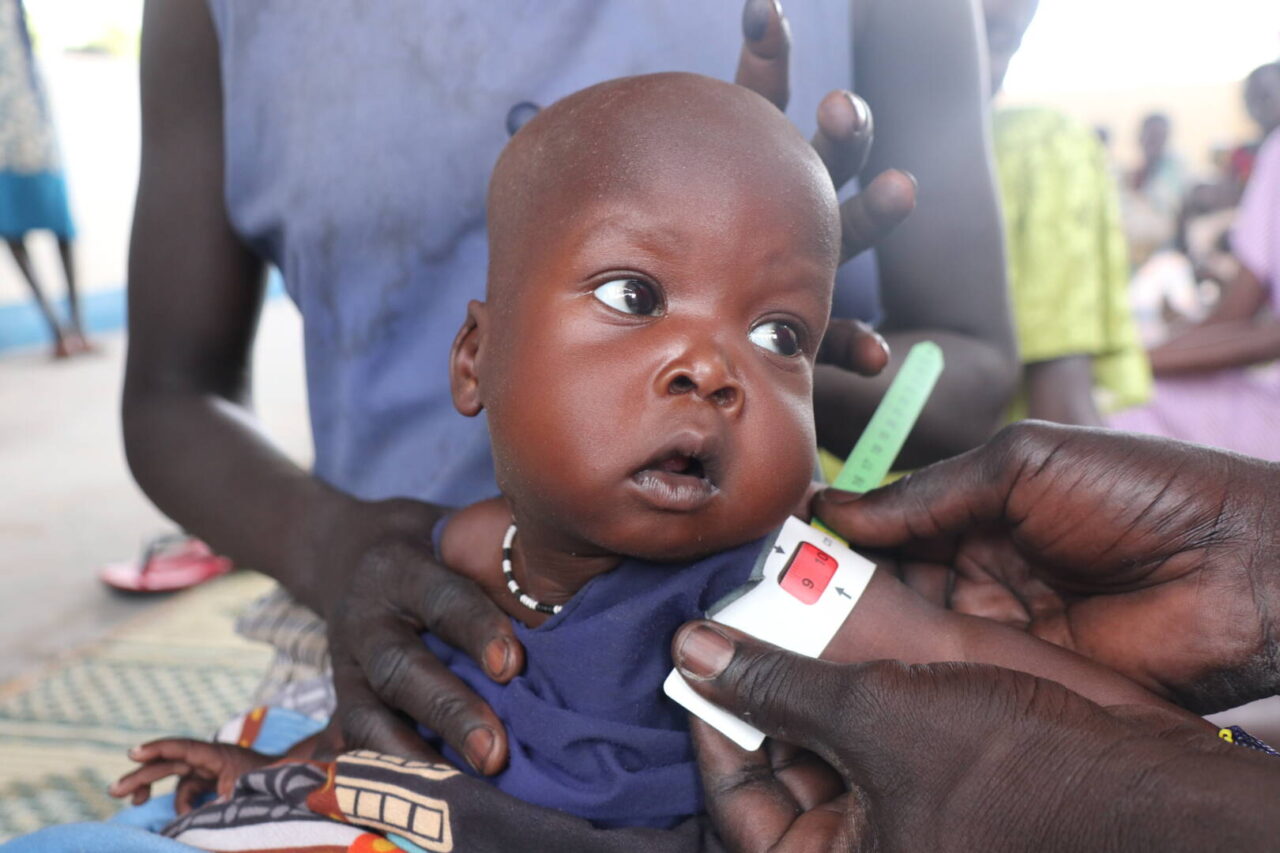
Overview of Oxfam’s Worldwide Impact
Oxfam, an international confederation of 20 NGOs working in more than 90 countries, has been a significant force in combatting global poverty and advocating for social justice since its inception in 1942. Its mission revolves around alleviating poverty and promoting fair trade, sustainable development, and human rights. This article delves into Oxfam’s remarkable contributions to the world across various domains, emphasizing its impact on the ground.
Aid and Emergency Relief
The power of Oxfam is in its swift and efficient action during natural disasters and humanitarian emergencies. After the catastrophic earthquake in Haiti in 2010, Oxfam promptly organized resources to supply water, sanitation, and shelter to countless impacted people. Their quick dispatch of aid personnel and resources played a vital role in reducing the consequences of the disaster and helping numerous individuals return to normalcy.
In the Syrian refugee crisis, Oxfam has been tirelessly working to deliver clean water and sanitation facilities to those in refugee camps in Lebanon, Jordan, and other affected regions. Their widespread efforts in these areas have reached millions, ensuring basic human needs are met even in dire circumstances.
Support for Financial Fairness
Oxfam has consistently campaigned for economic fairness, tackling the severe inequality affecting numerous countries. Their publications, like “Reward Work, Not Wealth,” offer comprehensive insights and statistics on the gap between the richest and the millions struggling in poverty. By advocating for fairer economic strategies, such as just tax systems and adequate wages, Oxfam has led governments and international organizations to reassess and reframe economic goals worldwide.
Empowering Local Communities
Local empowerment is a cornerstone of Oxfam’s strategy. In regions of Africa, Asia, and Latin America, Oxfam has implemented programs aimed at providing education, training, and resources to support small-scale farmers and local entrepreneurs. Their work with coffee farmers in Uganda, for example, has enabled individuals to access international markets more effectively, leading to increased incomes and improved community welfare.
To enhance the economic and social position of women, Oxfam has launched initiatives like “We Can” in South Asia, aimed at decreasing violence against women and promoting a greater role for women in the community. Numerous women have gained advantages from training sessions, educational seminars, and community-led ventures, nurturing a fresh wave of strong female leaders.
Promotion of Sustainable Practices
Tackling the issue of climate change and its effects on poverty is a key focus for Oxfam. Their efforts in climate advocacy aim to shape international policies to guarantee the adoption of lasting environmental practices. Oxfam’s “Climate Change Resilience” initiative has aided at-risk communities in creating resilience strategies, like enhanced farming methods that endure climatic fluctuations.
The “Behind the Brands” initiative showcases Oxfam’s dedication to long-term ecological responsibility. By assessing and ordering the leading global food enterprises based on their environmental and social behaviors, Oxfam motivates consumers to demand corporate responsibility, advocating for more ethical and eco-friendly supply networks.
Ending Thoughts: Oxfam’s Worldwide Impact
The impact of Oxfam stretches far beyond temporary assistance; they act as a source of inspiration, fostering systemic transformation and shaping worldwide discussions on poverty and inequality. By tackling the underlying issues of poverty, promoting sustainable methods, and enabling communities, Oxfam has established a significant legacy that motivates and brings about change globally. With its comprehensive strategy, Oxfam is a key participant in the international effort for fairness and equity.
