

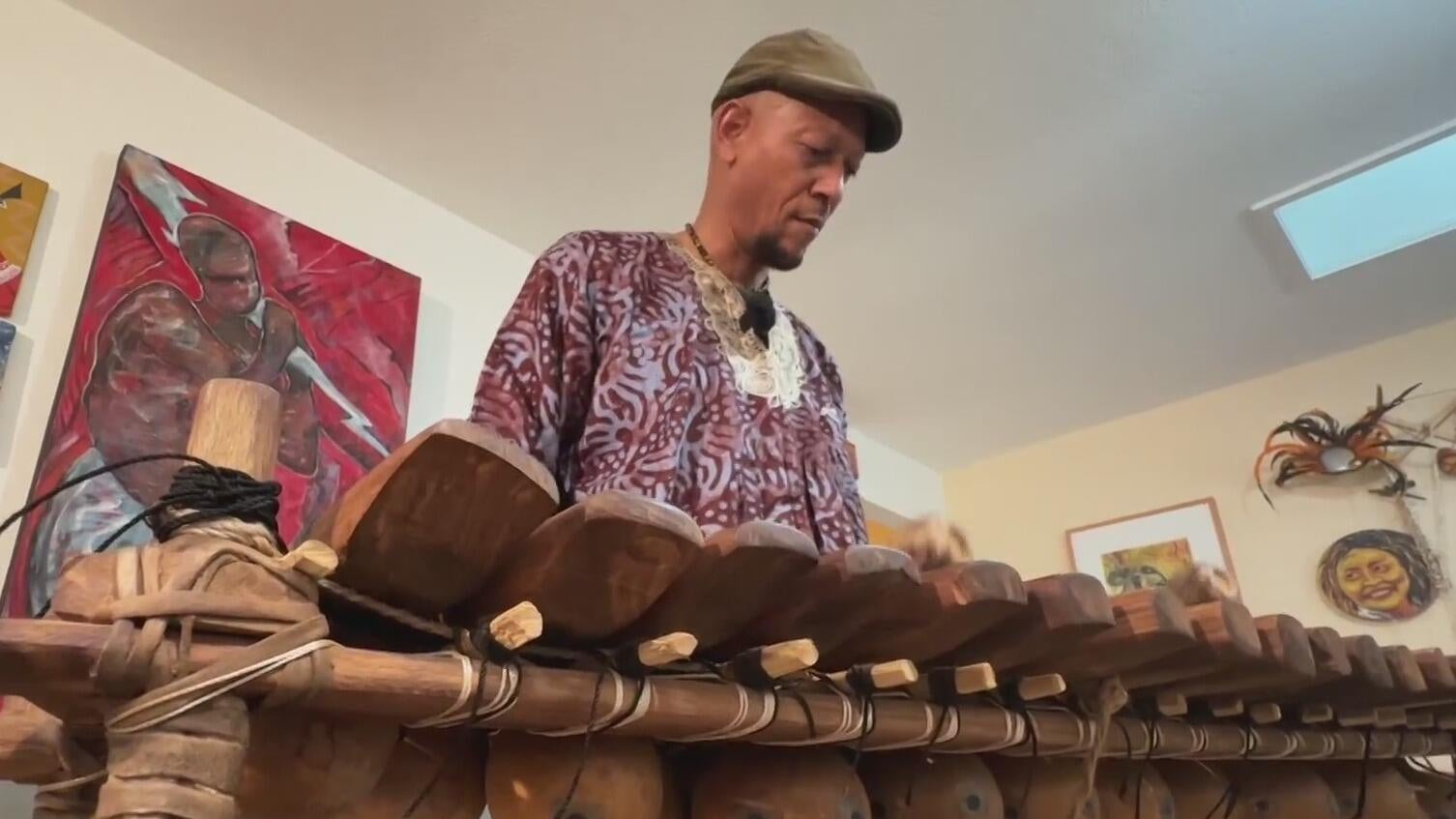
Personal style is frequently considered a mirror of our identity, influenced by our experiences, surroundings, and cultural backgrounds. In my case, crafting my style has been a slow progression—a journey connecting three unique realms: the warmth and tradition of the American South, the lively and rich culture of West Africa, and the academic refinement of New England living. It required years of discovery, trial and error, and introspection to develop a look that appears genuine—an aesthetic that represents all elements of my origins and the person I have grown to be.
Growing up in Alabama, I found myself immersed in a society that put a high value on appearance. Dressing in your Sunday best was more than just an expression; it was a regular affair each week. Whether attending church, family reunions, or local gatherings, dressing impeccably was viewed as a demonstration of personal dignity and esteem. There was a strong link to heritage, and individuals took meticulous care in their presentation. Southern fashion often gravitates toward the traditional and well-coordinated: neat outlines, fitted attire, and a sophistication that seems enduring and deeply connected to regional traditions. As a youngster, I couldn’t quite grasp the significance that attire held during these times, but I sensed its meaningfulness. This early experience sowed the seeds for my admiration of mindful dressing.
At the same time, my West African background added layers of color, texture, and meaning to my understanding of style. The fabrics, the patterns, the symbolism woven into every thread—these were more than garments. They were expressions of heritage, celebration, and identity. I grew up watching relatives wear garments that told stories—bold prints that conveyed lineage, community status, and even emotion. Whether it was a family wedding or a cultural celebration, these outfits spoke volumes without saying a word. West African fashion, with its unapologetic boldness and intricate design, taught me that clothing could be powerful, even political. It gave me permission to be expressive, to stand out, and to honor where I come from through what I wear.
Then came New England—a place where my sense of self and my understanding of style were both challenged and refined. College life in the Northeast introduced me to a very different visual landscape. Here, style leaned into minimalism and functionality. It was quieter, more understated, and often intellectually influenced. There was a certain unspoken elegance in a well-fitted coat or a pair of perfectly worn leather shoes. Preppy aesthetics met urban edge, and it was the first time I really thought about how to blend my cultural influences with contemporary fashion in a way that didn’t feel forced. At first, I felt out of place. My Southern boldness and West African vibrancy clashed with the subdued palettes around me. But over time, I learned to adapt—not by abandoning my roots, but by fusing them with new elements.
That integration journey wasn’t instantaneous. I spent a significant period wrestling with the challenge of unifying these aspects of myself. There were moments when I felt overly conventional, excessively boisterous, or insufficiently refined. I would contemplate whether my decisions were suitable or if I was overexerting myself to gain attention. Gradually, however, I understood that genuine style doesn’t stem from adhering to trends or fitting a particular visual—it is derived from self-assurance and a profound comprehension of the reasons behind your wardrobe choices.
Now, when I look at my wardrobe, I see a map of my life. I see the structure and grace of Alabama’s Southern charm, the richness and symbolism of West African textiles, and the refined subtlety of New England’s style philosophy. A tailored blazer might be paired with Ankara-print pants. A classic Oxford shirt might be layered under a handwoven kente vest. Neutral tones find balance with vibrant accessories. I don’t feel the need to choose between cultures—I embrace them all.
Style, for me, has become less about fitting in and more about standing in truth. It’s about being intentional. It’s about acknowledging that my clothes are part of my narrative. They’re the visual extension of my values, my heritage, and my evolution. I don’t dress just for occasions—I dress to connect with my story.
One of the most important lessons I’ve learned through this journey is that style isn’t static. It grows as you grow. What once felt unfamiliar or even uncomfortable can become second nature with time and self-assurance. And in a world that often tries to simplify people into single categories, blending multiple influences is an act of quiet resistance and personal celebration.
My style is a living expression of three identities woven together. Each element—Southern, African, and Northeastern—brings something unique to the table. And together, they’ve allowed me to create a look that doesn’t just follow fashion—it honors memory, geography, and selfhood. It took time to arrive here, but it was worth every step.