

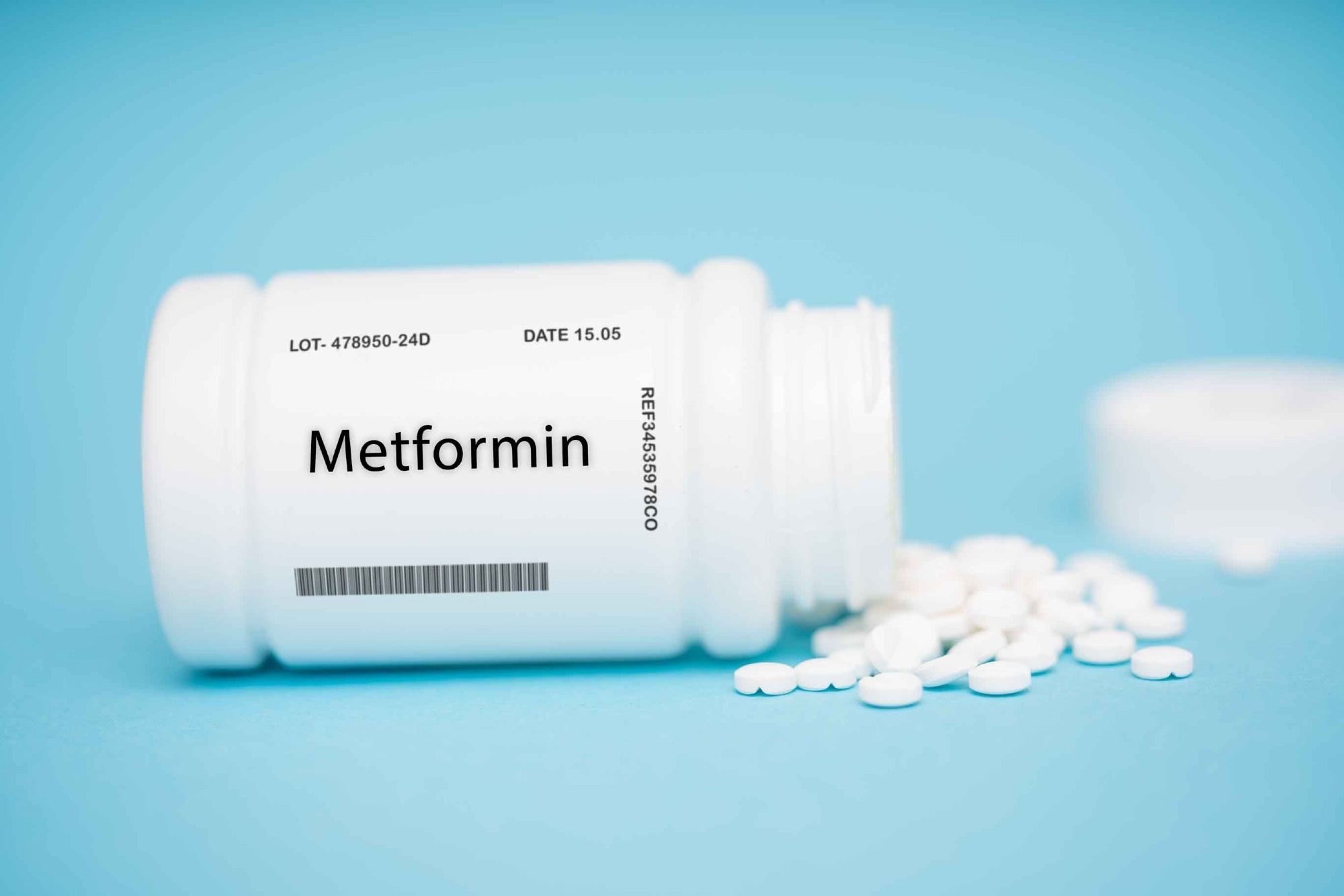
Emerging research suggests that starting metformin soon after a COVID-19 infection could lower the likelihood of developing long COVID, offering a potential preventive approach for at-risk individuals. This discovery may open new avenues for early intervention, aiming to reduce prolonged symptoms that affect millions worldwide.
Long COVID, characterized by lingering fatigue, brain fog, shortness of breath, and other persistent symptoms, has become a major public health concern. While vaccines and antiviral treatments have helped reduce severe illness and hospitalization, they do not always prevent post-viral complications. Metformin, a well-known medication commonly prescribed for type 2 diabetes, has recently gained attention for its anti-inflammatory and antiviral properties, prompting researchers to explore its potential in mitigating long COVID.
How metformin might assist in preventing long COVID
Metformin is commonly employed to control glucose levels in the blood, enhance the body’s response to insulin, and promote overall metabolic well-being. Nonetheless, new research suggests it has wider impacts, such as lowering widespread inflammation and adjusting immune functions. Because persistent inflammation and improper immune function are thought to contribute to long COVID, metformin’s actions make it a hopeful option for early treatment.
In clinical trials, participants who began metformin treatment within three months of a COVID-19 diagnosis demonstrated a lower incidence of persistent symptoms compared to those who did not receive the medication. Researchers hypothesize that metformin may interfere with viral replication, limit inflammatory signaling, and support cellular resilience, collectively reducing the risk of long-term complications. The timing of administration appears to be critical, with early initiation offering the greatest potential benefit.
Although metformin is typically regarded as safe, it is crucial to have medical oversight, especially for people with kidney or liver issues, or for those who are on other medications that might interact with it. Healthcare professionals can assess patient history, risk factors, and present health condition to decide if using metformin at an early stage is suitable.
Implications for public health and treatment strategies
If further research confirms these findings, metformin could become part of a broader strategy to prevent long COVID, alongside vaccination, antivirals, and supportive care. Public health authorities may consider recommending early pharmacological intervention for high-risk populations, including older adults, immunocompromised individuals, and those with preexisting metabolic conditions.
Lowering the frequency of persistent COVID-19 consequences holds significant impact. People who suffer from extended symptoms frequently encounter a reduced quality of life, obstacles in resuming employment, and difficulties in executing daily tasks. Addressing these issues with prompt action might decrease the pressure on medical services and enhance both efficiency and quality of life for the broader community.
Additionally, the research underscores the importance of timing in post-infection interventions. Medications that modulate immune function or inflammation may be most effective when administered early, before long-term complications are established. This insight could inform the development of future therapies for post-viral syndromes and other chronic conditions triggered by infection.
Broader benefits and future research directions
Más allá de la prevención prolongada de COVID, los beneficios antiinflamatorios y metabólicos de la metformina podrían ofrecer ventajas adicionales para los pacientes en recuperación de COVID-19. Las investigaciones indican que podría favorecer la salud cardiovascular, mejorar el metabolismo energético y reducir el estrés oxidativo, aspectos todos relevantes para quienes se recuperan de infecciones virales. Estos posibles beneficios secundarios resaltan el papel de la metformina como un agente terapéutico polivalente.
Experts are currently investigating the best dosing schedules, length of treatment, and patient selection parameters to enhance metformin’s protective benefits against long COVID. Current research seeks to find out if pairing metformin with other strategies—like antiviral drugs, immune modulators, or lifestyle modifications—can improve results. Comprehending the fundamental biological processes will also be essential, as it may help identify biomarkers that predict which patients could gain the most from early intervention.
Public engagement and awareness will be key to translating these findings into practice. Patients should be informed about the potential role of metformin in preventing long COVID, while also understanding that it is not a replacement for vaccines or other established preventive measures. Healthcare providers will play a critical role in guiding safe and effective use, monitoring for side effects, and integrating metformin into comprehensive post-COVID care plans.
Obstacles and factors to consider
A pesar de los resultados alentadores, persisten varios desafíos. El Long COVID es un trastorno complejo que afecta múltiples sistemas, y no todos los pacientes reaccionan de la misma manera a las intervenciones. Factores genéticos, condiciones de salud preexistentes, y la gravedad de la infección inicial pueden influir en los resultados, lo que exige enfoques de tratamiento personalizados. Además, la seguridad y eficacia a largo plazo del uso temprano de metformin en poblaciones no diabéticas requieren una evaluación cuidadosa para asegurar un equilibrio entre riesgos y beneficios.
Equity plays a significant role. Providing inclusive access to medications, health advice, and early intervention strategies is essential to assist populations disproportionately impacted by COVID-19 and its long-term effects. Public health initiatives should aim to bridge these inequalities, guaranteeing that preventive options such as metformin are available to those who would benefit the most.
Ongoing collaboration between researchers, clinicians, and policymakers will be essential to develop evidence-based guidelines for metformin use in long COVID prevention. This collaboration can also inform future studies on other post-viral conditions, creating a framework for proactive treatment strategies that mitigate chronic complications following infections.
Potential of metformin for a healthy routine
The capability of metformin to lower the risk of long COVID signifies a major advancement in healthcare related to the pandemic. Administering an established and commonly accessible medication from the onset promises to lessen the physical, emotional, and financial impacts of enduring symptoms following COVID.
As research continues, healthcare providers, patients, and public health authorities will need to work together to integrate emerging evidence into practical strategies. With careful monitoring, patient education, and equitable access, early metformin treatment could become an important tool in preventing long-term COVID-19 complications. Ultimately, this approach exemplifies the broader shift toward proactive, evidence-based care that not only addresses immediate illness but also seeks to prevent chronic consequences, improving outcomes for individuals and communities alike.