

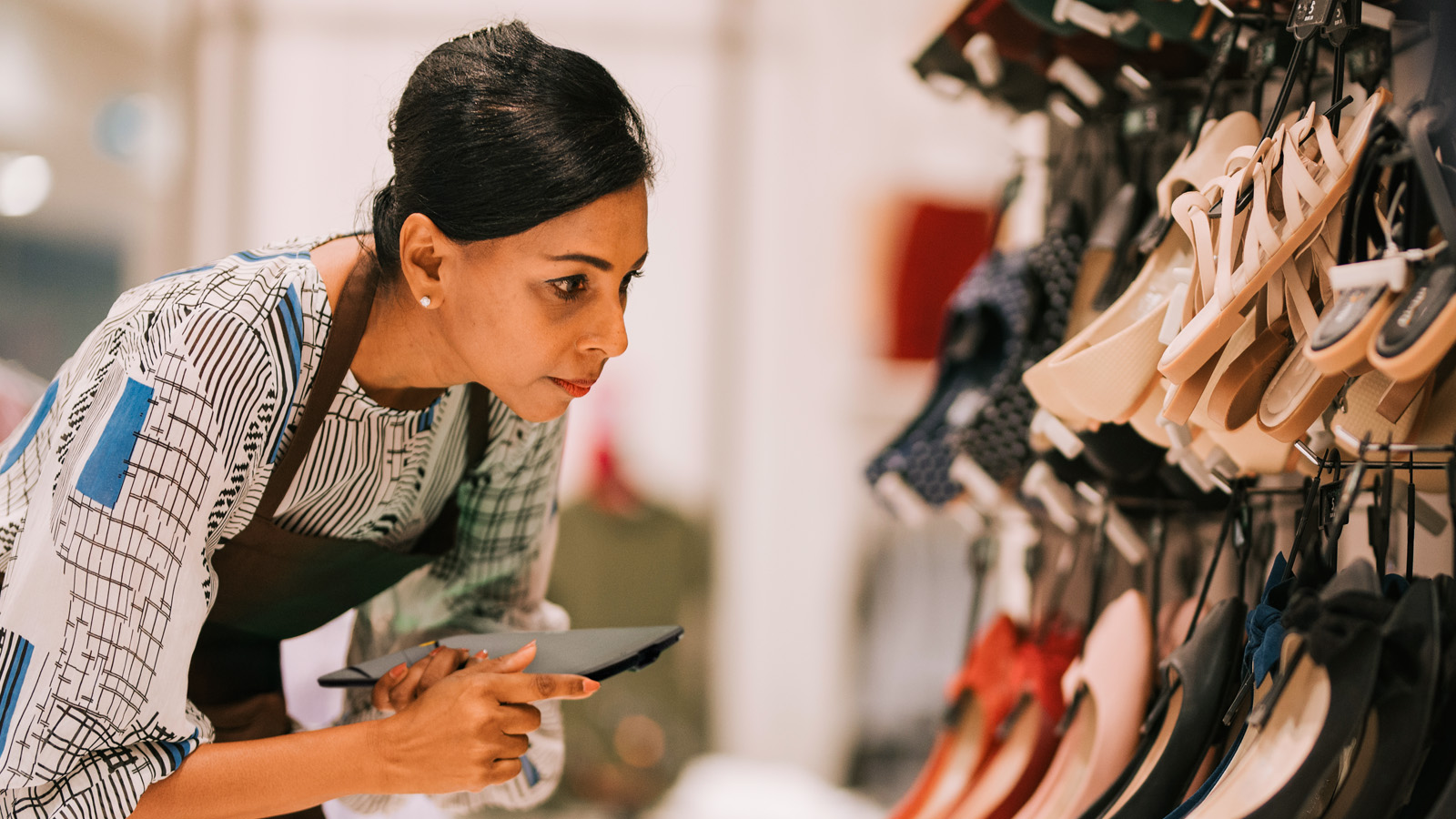
The physical retail environment is experiencing swift changes, influenced by a blend of technological advancements, changing consumer demands, and broad economic changes. In the current era, traditional storefronts must move beyond outdated business models and conventional customer service methods. Numerous important trends are not only influencing the industry—they are fundamentally altering the way physical retail functions, attracts customers, and competes in an increasingly digital market.
Omnichannel Integration: Merging Online with Offline Experiences
One prominent change-maker in the physical retail sector is the vigorous adoption of omnichannel approaches. Retail companies now understand that customers demand seamless, uniform experiences across all channels. This involves achieving coherence between brick-and-mortar stores, online shopping platforms, mobile apps, and even social commerce.
For instance, major retail chains such as Target and Walmart have made significant investments in online purchasing options with in-store pickup. As stated in a 2023 study by the National Retail Federation, over 70% of shoppers used this system at least once in the last year. This blended approach not only boosts foot traffic in physical locations but also offers conventional retailers crucial data across different channels, allowing for more precise marketing and better inventory management.
Case Study: Nordstrom The “Nordstrom Local” initiative showcases a successful approach to omnichannel innovation. These compact, inventory-free locations enable customers to collect online purchases, return items, or receive bespoke styling guidance, boosting ease of access while maintaining a streamlined operation.
Experiential Retail: Turning Locations Into Attractions
Traditional retail is evolving from being merely transactional to becoming a venue that focuses on experiences, community interaction, and immersive brand engagement. Today’s consumers, especially Millennials and Gen Z, value distinctive and unforgettable experiences more than just buying products.
Example: Nike’s House of Innovation Nike’s flagship stores, dubbed “House of Innovation,” offer features like interactive sports zones, customization bars, and AR-enhanced product displays. These elements stimulate longer dwell times and foster deeper emotional connections between consumers and the brand.
Experiential elements extend beyond gimmicks; they play a crucial role in influencing purchasing decisions. According to a 2022 Deloitte survey, 58% of shoppers are more likely to revisit stores that offer engaging experiences, such as in-store events, workshops, or immersive product demos.
The Growth of No-Checkout and Contactless Shopping
Impulsado por avances en visión por computadora, inteligencia artificial y dispositivos IoT, el concepto de pago sin fricción está entrando rápidamente en el comercio minorista. La pandemia mundial aumentó esta demanda, haciendo que la higiene y la rapidez sean primordiales.
Amazon Go and Competitors Amazon Go introduced the groundbreaking “Just Walk Out” technology, allowing customers to simply enter, gather items, and leave without the need for traditional checkout processes—transactions are handled effortlessly through mobile applications and sophisticated sensors. Various other retailers, such as 7-Eleven and Tesco, are testing comparable models to reduce operating expenses and meet the increasing need for convenience among consumers.
Data Insights A Juniper Research report forecasts that frictionless checkout technologies could process $386 billion in transactions globally by 2025. This acceleration is supported by consumer feedback—over 60% of respondents in a 2023 Capgemini poll stated they prefer self-service checkout options, citing speed and better control.
Sustainability and Ethical Commerce
Today’s consumers are increasingly conscious of their environmental and ethical footprints. Physical retail must respond by integrating sustainability across operations, from eco-friendly store design to supply chain transparency and localized sourcing.
Retailer Example: IKEA has redoubled sustainability efforts in their physical locations, employing renewable materials in stores, offering repair services, and piloting furniture repurchase programs. Such initiatives resonate deeply with a customer base that expects environmental responsibility as the norm, not the exception.
Moreover, smaller chains and independents are leveraging sustainability as a unique selling proposition. Initiatives such as zero-waste packaging, carbon-neutral delivery for in-store pickups, and community recycling points are driving loyalty among eco-minded shoppers.
Versatile Store Layouts and Small-Scale Fulfillment
El área de venta al por menor está cambiando para ser más flexible y adaptarse mejor a las tendencias del mercado local y la optimización del inventario. El crecimiento de los centros de micro-fulfillment—instalaciones de almacenamiento pequeñas y automatizadas que se encuentran cerca de grupos de consumidores—facilita entregas rápidas y respalda los modelos de compra y recogida.
Case Study: Kroger Kroger, the largest supermarket operator in the United States, has partnered with robotics firms to build automated micro-fulfillment centers adjacent to existing stores. This model sharply reduces last-mile delivery times and enhances inventory turnover, providing a competitive edge against e-commerce giants with fast-shipping capabilities.
Retailtainment and Community-Driven Commerce
Physical stores are evolving into communal spaces that foster social interaction and entertainment. This trend, often dubbed “retailtainment,” is apparent in locations like Apple’s flagship stores, which host Today at Apple sessions, providing free educational workshops and performances.
Community Hubs Brands such as Patagonia and Lululemon organize community runs, sustainability workshops, and fitness classes, transforming their stores into social anchors rather than mere points of sale. These strategies deepen brand affinity and differentiate physical stores as essential gathering spaces.
Customization Driven by AI and Retail Analytics
Stores are utilizing advanced analytics solutions enhanced by artificial intelligence and machine learning to personalize the shopping experience in physical locations. This involves variable pricing signs designed for individual customer profiles, targeted promotions sent through smartphone beacons, and even AI-powered fitting room helpers.
New Development: Sephora Sephora’s in-store AI tools suggest items according to skin characteristics, previous buys, and live responses, offering a deeply personalized journey that boosts contentment and spending.
In addition, retailers are using heat-mapping and facial recognition tools to optimize store layouts, product placements, and staffing levels, driving up both engagement and conversion.
Physical retail is undergoing a transformation driven by elements acknowledging the merging of digital and physical store experiences, the quest for sustainability, and the wish for more profound and significant interactions. Stores are evolving beyond simple transaction points to become versatile centers—serving as distribution hubs, event venues, and community focal points. The trends changing the sector will benefit retailers capable of foreseeing changes in consumer expectations, adopting technology, and crafting experiences focused on people and flexibility. This change pertains as much to attitudes as it does to operations, and those adapting will contribute to shaping the future landscape of retail.