

“`html
Fashion’s Effect on the Environment
“`
The garment sector plays a major role in harming the environment, affecting multiple components of our ecosystem. As people increasingly demand rapid fashion, the ecological impact of producing, shipping, and discarding clothing also rises. Recognizing how fashion affects the planet is vital for promoting eco-friendly practices and enabling well-informed decisions as shoppers.
Water Consumption and Pollution
The apparel sector ranks among the top global water users. Producing one cotton shirt requires around 2,700 liters of water, equivalent to a person’s drinking supply for more than two years. Growing cotton represents about 24% of global insecticide sales and 11% of pesticide sales, contributing to the pollution of freshwater resources. These farming methods cause contamination, seriously impacting ecosystems and communities that rely on these water sources.
Greenhouse Gas Emissions
Fashion is responsible for approximately 10% of global carbon emissions, surpassing international flights and maritime shipping combined. The majority of these emissions come from energy-intensive production phases, predominantly in countries relying on coal-powered energy. Synthetic fibers, like polyester, require significant oil derivation, exacerbating the carbon footprint. With fashion cycles moving faster, the increased production only intensifies these emissions.
Textile Waste and Landfills
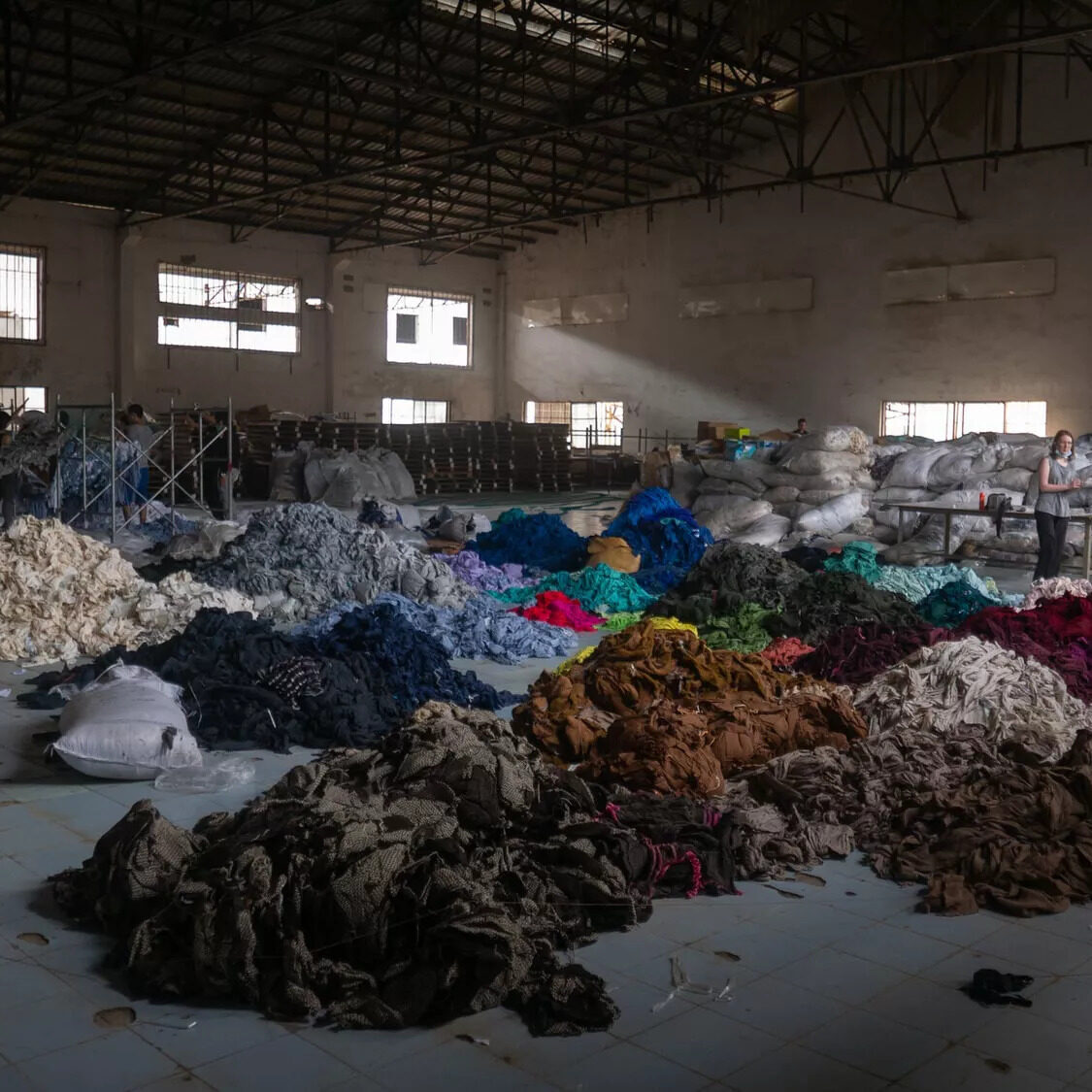
The surge of fast fashion leads to massive textile waste. On average, an American throws away about 81 pounds of garments annually, contributing to over 11 million tons of textile waste just in the United States. Worldwide, every second, the equivalent of a garbage truck filled with textiles is either dumped in landfills or burned. This overwhelming waste emphasizes a critical cycle where clothing is discarded more quickly than it can break down or be properly recycled.
Microplastic Pollution
Every time synthetic clothes are washed, they release microplastics into water systems. These tiny fibers often bypass wastewater treatment processes and eventually enter oceans, causing detrimental effects on marine life. It is estimated that 35% of primary microplastics in oceans originate from laundering synthetic textiles, contributing to a growing environmental crisis impacting both marine ecosystems and food chains.
Sustainable Alternatives and Practices
Awareness growth has driven a move towards eco-friendly fashion, defined by responsible manufacturing methods, long-lasting materials, and the encouragement of recycling. Companies focused on being eco-conscious are using cutting-edge technologies such as biodegradability, circular fashion, and slow fashion strategies to reduce their ecological footprint. For example, programs like Patagonia’s Worn Wear and Levi’s SecondHand support clothing repair and reuse, reducing waste and saving resources.
The role of fashion in environmental degradation poses a multifaceted challenge that requires proactive solutions from both consumers and industry players. As understanding deepens about the intricate connections between fashion and ecology, shifts in consumption patterns and industry standards are imperative. Empowering consumers with knowledge and options remains crucial to fostering a sustainable future, indicating that change, while challenging, is indeed possible and essential.
