

Christian Dior is recognized as a pivotal personality in the chronicles of fashion history. His revolutionary vision shaped the period after the war and keeps shaping the industry’s appearances, commercial strategies, and cultural impact. To understand Dior’s tremendous significance, it is crucial to explore his creations, his influence on social standards, his brilliance in marketing, and the enduring legacy associated with his name.
The “New Look” and Its Radical Redefinition of Fashion
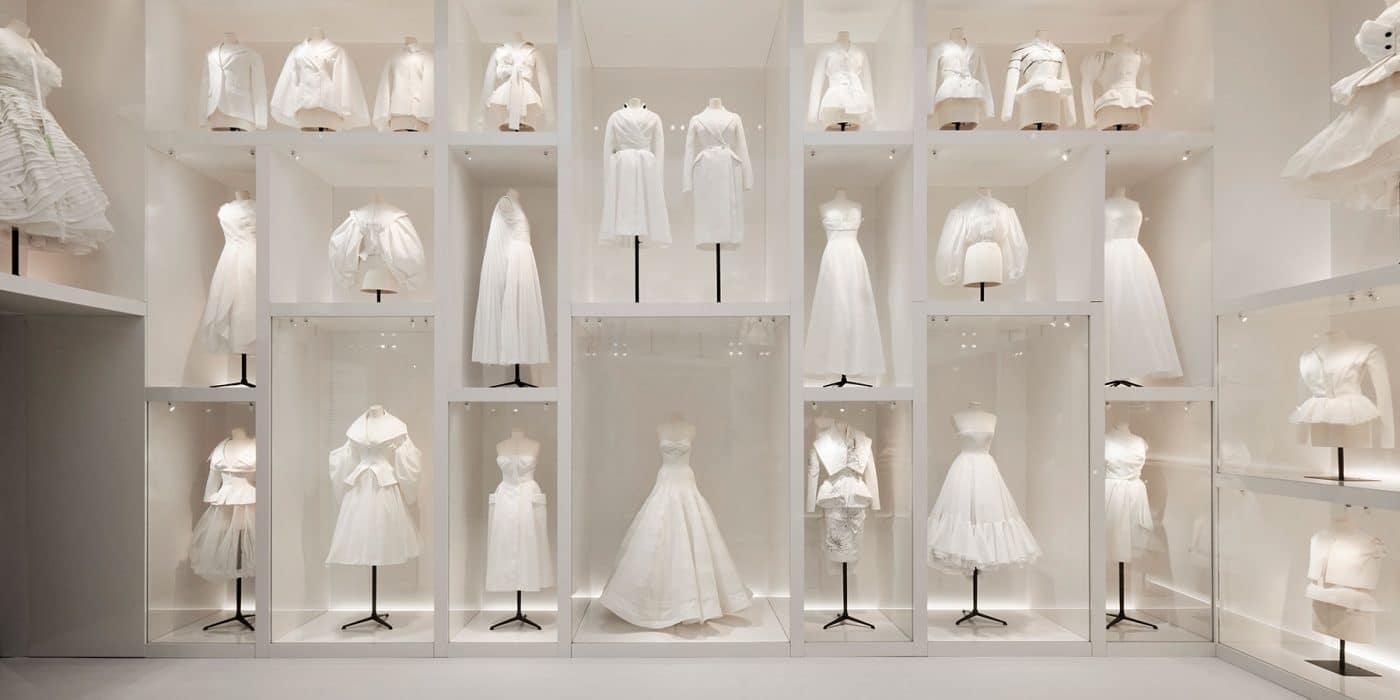
When Christian Dior unveiled his debut collection in 1947, the world was still gripped by the austerity of World War II. Fabric rationing and the utilitarian styles of the period left little room for extravagance or feminine elegance. Dior’s inaugural collection, later dubbed the “New Look” by Harper’s Bazaar’s editor Carmel Snow, radically departed from prevailing trends. Characterized by nipped waists, rounded shoulders, and voluminous skirts, Dior restored opulence and femininity to women’s wardrobes.
This design philosophy was not merely an aesthetic choice but a cultural signifier. Dior’s silhouettes celebrated the female form in stark contrast to the boxy lines of wartime attire. This visual and material richness not only revitalized the dull postwar market but also set a new standard for post-war beauty ideals. These designs quickly became the lodestar for both haute couture and ready-to-wear sectors worldwide.
Transforming the Financial and Locational Aspects of High Fashion
Christian Dior’s influence went beyond his design work. With a strategic mindset, he transformed the fashion industry’s business model. Dior was one of the pioneers in envisioning the modern fashion house as an international brand. He implemented licensing for items like accessories, perfumes, and cosmetics, thereby generating varied sources of income and extending the brand’s influence well beyond the couture salon in Paris.
Creating stores in locations like New York, Caracas, and London, Dior expanded the reach of Parisian fashion globally. His visionary approach played a key role in reviving Paris’s status as the center of haute couture, which had diminished during the war because of the German occupation and being cut off from international markets. The financial approach initiated by Christian Dior set the standard for future fashion brands aspiring to surpass geographical and demographic boundaries.
Impact on Gender, Society, and Cultural Dynamics
Dior’s “New Look” was more than an artistic innovation—it was a direct commentary on gender and the changing socio-cultural fabric of the late 1940s. The exaggerated hourglass shape was at once comforting and controversial. Some critics argued it was regressive, reviving constraining ideals of femininity. Yet for many, Dior’s creations symbolized liberation from wartime drabness, offering women the choice to embrace beauty and self-expression.
This contrast emphasizes Dior’s profound involvement in viewing fashion as a driving force in society. His fashion presentations turned into significant cultural occasions, attracting celebrities, nobility, and members of the press. Dior converted the fleeting realm of high fashion into a communal experience, employing fashion as a means for social critique and cultural rejuvenation.
Mentorship and the Cultivation of Future Talent
Christian Dior’s legacy is not limited to his designs or business innovations. As a mentor, he launched the careers of some of the greatest designers of the 20th century, most notably Yves Saint Laurent. Dior’s support for emerging talents established an ethos of nurturing creativity within the industry, ensuring the fashion house remained a crucible for innovation long after his untimely death in 1957.
Each time Dior appoints a new creative director, they embrace the founder’s principles, adapting them for modern audiences yet preserving a connection to the brand’s roots. This balance between tradition and innovation has positioned Dior as a constant reference point for designers globally.
Dior’s Lasting Global Legacy
Today, the name Christian Dior transcends fashion, representing an ideal of elegance, luxury, and resilience. The brand’s continued relevance is demonstrated by its robust sales, blockbuster couture shows, and influential global campaigns. Museums and exhibitions dedicate substantial resources to exploring Dior’s work, underlining his enduring importance in visual culture.
Dior’s story encapsulates the power of artistry allied with business acumen to transform not simply garments, but cultural mores and economic realities. As fashion continually evolves, the foundational work of Christian Dior provides both a blueprint and a challenge: to redefine style in ways that reflect and shape the world in which we live.