

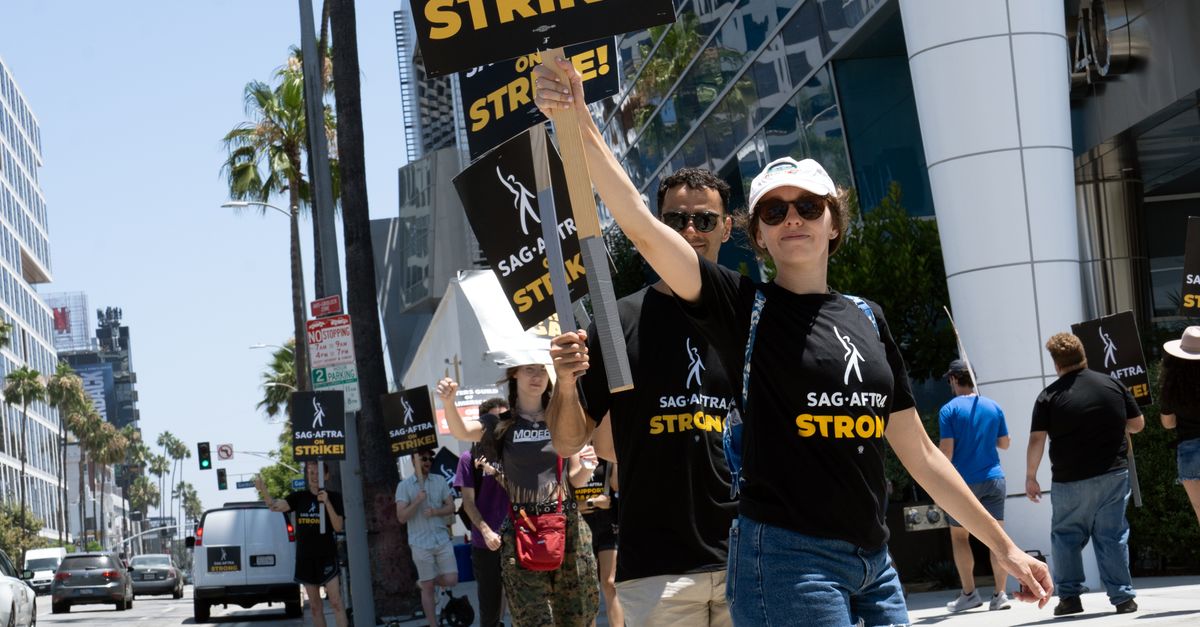
Introduction: Why Strikes Matter
Strikes have been one of the most powerful tools available to workers seeking fair wages, safer conditions, and legal protections. When negotiations fail, collective work stoppages can reshape national labor laws, influence public opinion, and redefine the balance of power between employers and employees. Throughout modern history, certain strikes have stood out not only for their scale but also for their lasting impact on workers’ rights. Below are ten of the most decisive strikes that transformed labor relations and expanded protections for millions.
1. The Pullman Strike (United States, 1894)
The Pullman Strike began after the Pullman Palace Car Company cut wages by nearly 25 percent without reducing rents in company-owned housing. Railway workers across the country joined the boycott, disrupting rail traffic nationwide.
Impact:
- Exposed harsh labor conditions in industrial America.
- Prompted federal intervention, including deployment of troops.
- Led to the establishment of Labor Day as a national holiday in 1894.
Although the strike was suppressed, it ignited public debate about corporate power and workers’ rights, strengthening the American labor movement in the long term.
2. The Matchgirls Strike (United Kingdom, 1888)
More than 1,400 female workers and girls employed at a London match factory walked off the job to protest meager wages, heavy fines, and dangerous exposure to toxic white phosphorus, which led to severe health complications.
Impact:
- Secured improved wages and safer working conditions.
- Demonstrated the power of organized women workers.
- Encouraged the growth of “new unionism” among unskilled laborers.
This strike marked a turning point in labor organization among marginalized workers and highlighted occupational health issues.
3. The Homestead Strike (United States, 1892)
Steelworkers at Carnegie Steel’s Homestead plant protested wage cuts and the company’s refusal to negotiate. The confrontation escalated into violence between workers and private security agents.
Impact:
- Drew national attention to industrial labor disputes.
- Illustrated the dangers of privatized strikebreaking forces.
- Influenced future labor organizing in heavy industry.
Though the union was ultimately defeated, the event underscored the urgent need for labor protections in rapidly industrializing sectors.
4. The Winnipeg General Strike (Canada, 1919)
More than 30,000 workers in Winnipeg walked off the job, effectively shutting down the city for six weeks. They demanded collective bargaining rights and better wages.
Impact:
- Strengthened labor representation in Canadian politics.
- Accelerated recognition of collective bargaining.
- Exposed deep class divisions within Canadian society.
The strike influenced national labor reforms and remains a defining moment in Canadian labor history.
5. The Flint Sit-Down Strike (United States, 1936–1937)
Automobile employees took over General Motors factories located in Flint, Michigan, blocking scabs from stepping into their roles. This work stoppage extended across a 44-day period.
Impact:
- Spearheaded efforts that compelled General Motors to officially recognize the United Auto Workers union.
- Bolstered the regulatory enforcement of the National Labor Relations Act.
- Sparked a wave of comparable sit-down protests spanning multiple sectors.
Union membership in the United States surged afterward, reshaping industrial relations for decades.
6. The 1913 Dublin Lockout (Ireland)
More than 20,000 workers were locked out by employers after attempting to unionize. The dispute lasted over seven months and caused widespread hardship.
Impact:
- Championed the labor union movement throughout Ireland.
- Fostered tighter unity among unorganized laborers.
- Shaped subsequent social and political campaigns.
Although workers endured significant suffering, the lockout laid foundations for stronger labor representation.
7. The Memphis Sanitation Strike (United States, 1968)
Triggered by the deaths of two sanitation workers due to unsafe equipment, 1,300 predominantly African American workers went on strike demanding union recognition and safer conditions.
Impact:
- Secured union recognition and wage increases.
- Connected civil rights activism with labor rights.
- Highlighted workplace safety and racial inequality.
The strike became a landmark event in both the labor and civil rights movements.
8. The UK Miners’ Strike (1984–1985)
Over 140,000 coal miners protested mine closures and job losses. The year-long strike deeply divided the country.
Impact:
- Transformed employment dynamics and diminished union clout.
- Sped up industrial reorganization.
- Altered the political arena concerning labor regulations.
Although the miners ultimately fell short of their goals, the strike drastically shifted the dynamics linking labor unions and the state.
9. The Marikana Strike (South Africa, 2012)
Mineworkers at a platinum mine demanded higher wages. Police intervention led to the deaths of 34 workers, one of the deadliest labor-related incidents in recent history.
Impact:
- Brought wage inequality in post-apartheid South Africa to light.
- Resulted in higher pay for miners.
- Triggered widespread discussion concerning labor rights and law enforcement.
The tragedy intensified scrutiny of corporate practices and labor conditions in the mining industry.
10. The Polish Shipyard Strike (1980)
Workers at the Gdansk Shipyard went on strike demanding independent unions and political reforms. The movement led to the formation of an independent trade union that quickly gained millions of members.
Impact:
- Secured the right to form independent trade unions.
- Weakened authoritarian control over labor organizations.
- Contributed to broader democratic transformation.
The strike demonstrated how labor movements can catalyze sweeping political change.
The Enduring Power of Collective Action
These ten strikes differ in geography, industry, and outcome, yet they share a common thread: workers acting collectively altered the course of labor history. Some achieved immediate victories, others suffered setbacks, but each shifted public consciousness and legal frameworks. Together, they illustrate that workers’ rights are rarely granted voluntarily; they are often won through sustained solidarity, sacrifice, and strategic resistance. The legacy of these decisive strikes continues to shape modern debates over fair wages, workplace safety, collective bargaining, and social justice, reminding societies that progress in labor rights depends on both courage and collective resolve.
