

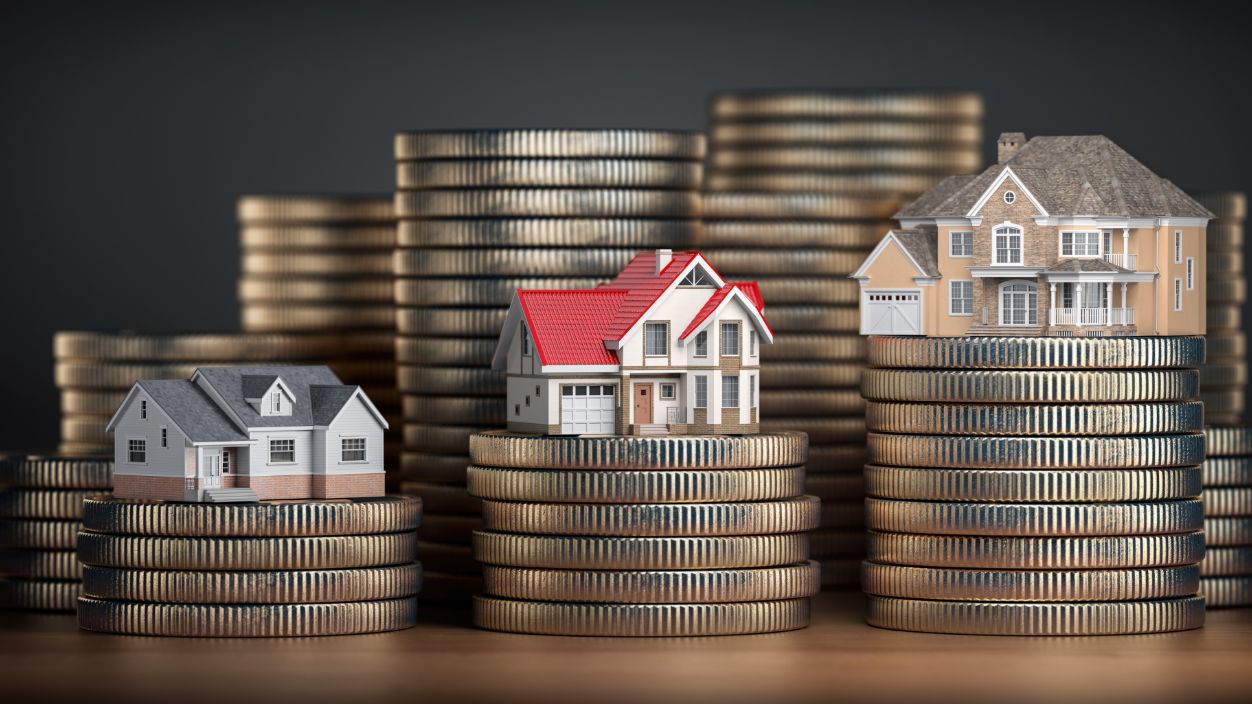
Moving Beyond Conventional Office-Focused Portfolios
Real estate investment is experiencing a fundamental transformation as investors reconsider their exposure to traditional office properties; remote and hybrid work models, corporate efforts to streamline space usage, and evolving employee expectations have collectively reduced long-term demand for conventional office buildings across numerous markets, while vacancy levels in many major cities remain above pre-2020 figures and leasing agreements have shifted toward shorter, more flexible terms, leading investors to pursue more resilient, income-oriented alternatives that better reflect demographic, technological, and economic shifts.
Growth of the Industrial and Logistics Real Estate Sector
One of the most influential trends is the expansion of industrial and logistics assets. E-commerce growth, same-day delivery expectations, and supply chain reconfiguration are driving sustained demand for warehouses, distribution centers, and last-mile facilities near urban hubs.
- E-commerce penetration: Online retail continues to capture a larger share of total sales, increasing the need for modern logistics infrastructure.
- Reshoring and nearshoring: Manufacturers are relocating production closer to end markets, boosting demand for industrial parks.
- Automation-ready facilities: Buildings designed for robotics and high ceiling heights command premium rents.
Investors are attracted by long leases, creditworthy tenants, and comparatively stable cash flows, making industrial real estate a core replacement for office exposure.
Growth in Diverse Housing Options
Residential-focused strategies are broadening beyond traditional multifamily apartments. Housing shortages in many regions have supported strong fundamentals across diverse living formats.
- Build-to-rent communities: Purpose-built rental neighborhoods of single-family homes attract households that want room and adaptability without committing to ownership.
- Student housing: Steady enrollment increases and restricted on-campus options help maintain reliable demand close to major universities.
- Senior housing: Growing older populations are driving the need for independent living, assisted living, and memory care accommodations.
These sectors frequently gain momentum from demographic trends beyond pure economic cycles, delivering diversification and long-term expansion prospects.
Expansion of Alternative and Specialized Assets
Apart from traditional property categories, investors are directing funding toward specialized assets that were previously regarded as niche.
- Data centers: Cloud computing, artificial intelligence, and streaming platforms depend on secure, high-energy facilities that typically host long-term occupants.
- Life science properties: Research labs and biotech hubs are growing in step with advances in healthcare and pharmaceutical development.
- Self-storage: Rising urban density, frequent relocation, and compact housing keep utilization levels consistently strong.
Such assets typically require more advanced technical know‑how, yet they may yield superior returns because their availability is scarce and access is highly restricted.
Focus on Environmental and Social Outcomes
Environmental, social, and governance factors are playing a growing role in how investments are made, and properties that deliver strong energy performance, reduced carbon impact, and healthier indoor conditions generally draw tenants and investors with greater ease.
- Green retrofits: Modernizing aging properties with more efficient systems can boost their market worth while trimming long-term operating expenses.
- Regulatory alignment: Meeting increasingly stringent environmental regulations helps limit potential exposure to future compliance challenges.
- Social impact: Initiatives such as affordable housing and community-oriented projects are attracting growing interest from institutional investors.
Sustainability is no longer a niche preference but a core component of long-term asset viability.
Investment Models Powered by Technology
Technology is transforming properties and redefining how investors engage with and oversee real estate.
- Digital platforms: Fractional ownership models and web-based marketplaces are making market access easier for a wider range of participants.
- Data analytics: Sophisticated analytical tools refine decisions on site selection, pricing approaches, and overall risk evaluation.
- Smart building systems: Integrated sensors and automated controls boost operational efficiency, improve tenant experiences, and strengthen asset performance.
These tools enable more flexible portfolio building that moves beyond conventional office assets.
Geographic Rebalancing and Secondary Markets
Capital is steadily moving toward secondary and tertiary cities that offer strong demographics, lower expenses, and business-friendly conditions, while population growth, infrastructure upgrades, and lifestyle advantages are driving demand for housing, logistics, and mixed-use projects in these locations, and expanding across regions helps lessen dependence on costly, office-centric urban hubs.
An Expanded Understanding of Resilience
The evolving landscape of real estate investing reflects a broader definition of resilience. Assets are being evaluated not only on current income but also on adaptability, demographic relevance, and alignment with long-term societal trends. Moving beyond traditional office exposure is less about abandoning one sector and more about constructing balanced portfolios that can perform across economic cycles while responding to how people live, work, shop, and age.