

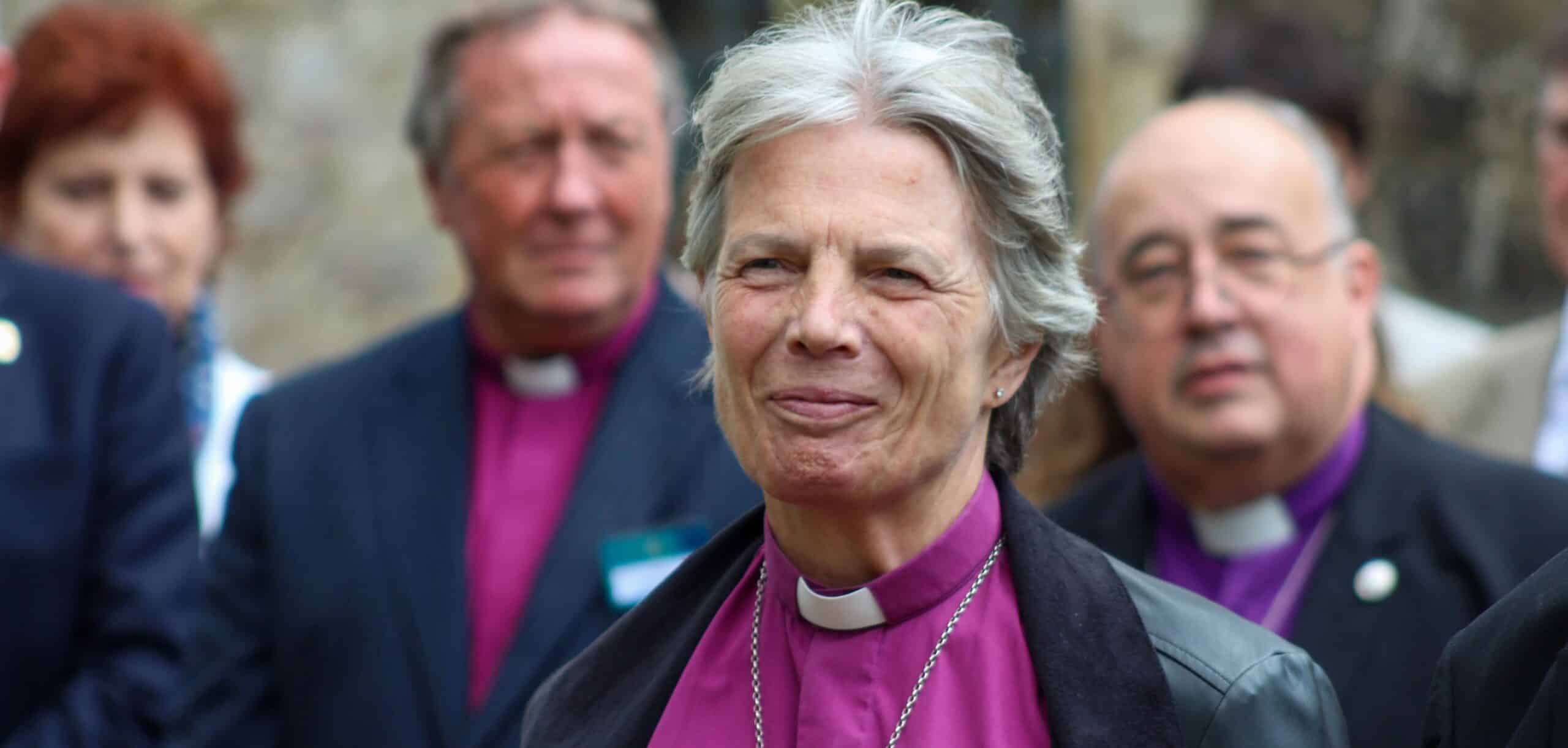
In a landmark moment for the Church and broader British society, Cherry Vann has been named the first woman and openly LGBTQ cleric to assume the title of archbishop in the United Kingdom. Her historic appointment marks a significant step forward in the ongoing movement toward greater inclusivity and representation within ecclesiastical leadership.
Vann’s elevation to the role of archbishop is not only a personal milestone, but also a reflection of evolving values within certain branches of Anglicanism and related denominations in Britain. Her appointment has drawn attention from faith communities and advocacy groups alike, as it brings to the forefront important conversations around gender, sexuality, and equality in religious institutions traditionally governed by male-dominated hierarchies.
Having served for decades in various capacities within the Church, Vann is widely recognized for her pastoral leadership, deep theological understanding, and commitment to social justice. Prior to her new role, she held the position of Bishop of Monmouth within the Church in Wales, where she played a vital role in community outreach, parish development, and strengthening interfaith relations.
Her experience encompasses several years within the Diocese of Manchester, where she launched her career in the clergy and became one of the inaugural female priests in the Church of England after it approved the ordination of women in the 1990s. Vann’s professional journey has been characterized by consistent progression through the hierarchy, bolstered by a reputation for insightful leadership, empathetic ministry, and support for underrepresented groups.
In stepping into her new role, Vann inherits a position that carries both symbolic weight and practical responsibility. As archbishop, she will not only oversee ecclesiastical affairs within her jurisdiction but also serve as a prominent public voice on issues affecting the Church and society at large. Her presence in this role underscores a broader shift in attitudes toward diversity within the religious sphere, particularly among faith groups that are grappling with how to remain relevant and reflective of the communities they serve.
Although Vann’s appointment is hailed by numerous individuals as a historic milestone, it has also led to discussions among more traditional factions within the Anglican community. Opponents claim that these modifications signify a deviation from traditional beliefs, whereas advocates assert that they are an essential progression toward a more inclusive and equitable Church.
During her professional journey, Vann has been a constant proponent of a belief system that welcomes diversity and upholds human worth. Her method in ministry highlights reconciliation, transparency, and modesty — values considered crucial by many during periods of social and political rifts. As a woman who is openly lesbian and in a dedicated relationship, Vann has been vocal about the significance of being authentic and the difficulties LGBTQ individuals frequently encounter in religious settings.
Her selection is especially significant within the framework of the Church in Wales, which has demonstrated a growing openness to address modern social issues, such as same-sex unions and gender parity. In 2021, the Church made the decision to bless same-sex partnerships, setting it apart from other Anglican regions and indicating a more forward-thinking path.
The implications of Vann’s new role extend beyond the boundaries of the Church itself. As archbishop, she is likely to influence wider public discourse on inclusion, identity, and moral leadership. Her experience and perspective may offer a fresh lens through which to view the relationship between faith and modern society, especially as religious institutions seek to rebuild trust and connection with younger, more diverse generations.
Reaction to her appointment has been largely positive across various sectors. Faith-based LGBTQ organizations have hailed the decision as a major victory, noting that representation at the highest levels of church leadership can be transformative for individuals who have long felt excluded. Women in ministry have also celebrated the milestone, pointing to the years of advocacy and perseverance that paved the way for Vann’s success.
Despite the celebratory tone surrounding her appointment, Vann remains characteristically grounded. In recent statements, she has emphasized that her focus remains on service — both to the Church and to the wider community. She has expressed gratitude for the opportunity to lead, while acknowledging the responsibility that comes with breaking new ground.
Vann’s story is one of steady commitment rather than sudden breakthrough. Her rise through the ecclesiastical ranks has been shaped by years of faithful work, resilience in the face of institutional challenges, and a deep conviction that the Church must be a space of welcome and inclusion. Her journey reflects the broader narrative of change unfolding across many religious denominations as they navigate questions of identity, tradition, and reform.
As she begins this new chapter, Archbishop Vann is poised to leave a lasting mark on the Church and beyond. Her leadership is likely to inspire a new generation of clergy and laypeople who see in her a model of integrity, courage, and hope. For many, her presence at the helm is not just a sign of progress, but a powerful affirmation that the Church can evolve without losing its soul.
In the coming years, the influence of Cherry Vann’s appointment will be evaluated not merely by the initiatives she influences or the sermons she gives, but also by the example she embodies as a leader who is dedicated to fairness, kindness, and sincere spirituality. As faith groups persist in encountering challenges regarding relevance, inclusion, and transformation, her journey provides a persuasive picture of what the future of spiritual leadership could be: embracing, ethical, and profoundly human.