

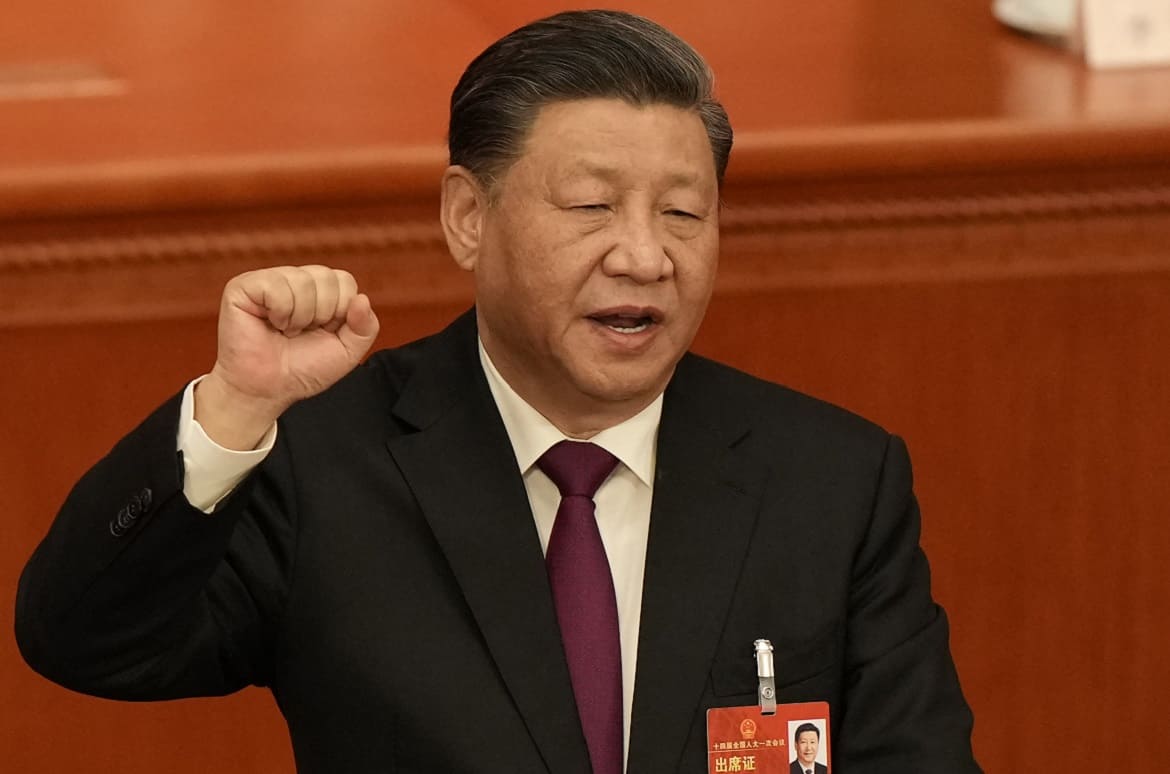
President Xi Jinping of China has significantly cut back on his trips abroad in recent times, indicating a change in his leadership strategy as he focuses more on domestic matters. This change occurs as China confronts a variety of internal difficulties, ranging from economic challenges to concerns about social stability, leading the country’s top leaders to focus on national priorities rather than major international commitments.
Historically, Chinese leaders have used international travel as a means of strengthening diplomatic ties, expanding economic partnerships, and asserting China’s presence on the world stage. In the early years of Xi’s presidency, he traveled extensively, meeting foreign heads of state and attending global forums that reinforced China’s role as a rising global power. These visits often served dual purposes: projecting influence abroad while also demonstrating strength at home.
Nevertheless, since the outbreak of the COVID-19 pandemic and amidst increasing geopolitical tensions, Xi has drastically reduced his participation in foreign trips. Although other global leaders have resumed their frequent travel, the noticeable absence of Xi from major international summits and bilateral discussions has not gone unnoticed. This decreased participation in worldwide events, which was previously a significant feature of his diplomatic approach, seems to indicate a strategic adjustment.
This change is not merely logistical or pandemic-related. It mirrors a broader reorientation of Chinese policy that puts internal governance, political consolidation, and economic restructuring at the forefront. With slowing growth, demographic shifts, and structural financial vulnerabilities emerging as pressing concerns, the Chinese leadership has adopted a more inward-looking stance to address what it sees as pivotal challenges to national stability and long-term development.
Xi’s limited travel schedule aligns with this agenda. Rather than spending extended periods abroad, he has focused his efforts on attending high-level domestic meetings, conducting provincial inspections, and overseeing key policy initiatives. Whether it’s rural revitalization, technological self-sufficiency, or military modernization, many of the administration’s top priorities demand the attention and direction of the central leadership.
Furthermore, Xi’s method indicates a change in diplomatic tactics. Beijing has begun to increasingly rely on other high-ranking officials—such as Premier Li Qiang and Foreign Minister Wang Yi—to act as China’s representatives in various global arenas. These officials have now become the nation’s main representatives internationally, upholding bilateral ties and engaging in multilateral discussions while Xi concentrates on directing the nation’s internal policies.
Critics and observers abroad have interpreted this as a sign of China retreating from its previous posture of assertive global engagement. Others, however, argue that it indicates a maturing phase of Chinese foreign policy, where symbolic leader-to-leader meetings are less emphasized, and outcomes take precedence over optics.
La dirigencia china probablemente considera este enfoque como una medida práctica. Con la creciente competencia de las potencias occidentales, especialmente de los Estados Unidos, y un escrutinio mayor de sus ambiciones globales, Pekín puede percibir un valor estratégico en mantener a su principal líder más cerca del país, al tiempo que conserva canales diplomáticos sólidos a través de otros funcionarios de alto rango. Este método también permite un control más estricto sobre los procesos de comunicación y toma de decisiones en un entorno internacional complejo.
On the domestic front, Xi’s physical presence sends a strong signal. His inspections of local enterprises, rural communities, military installations, and innovation hubs are carefully choreographed to reinforce the image of a hands-on leader deeply involved in national progress. State media coverage of these visits plays a central role in maintaining popular support and ensuring alignment with party objectives.
Furthermore, the focus on domestic issues arises as the Chinese Communist Party strives to regain ideological authority, transform its economic framework, and tackle enduring weaknesses. These challenges encompass increasing unemployment among young people, fluctuations in the housing sector, and initiatives to lessen reliance on overseas technology and markets. By dedicating more time within China, Xi can better oversee these changes and handle their political consequences.
The adjustment to Xi’s travel itinerary also mirrors shifts in international dynamics. As global affairs become more divided, particularly with geopolitical tensions, global gatherings don’t always promise agreement or effective resolutions. Consequently, leaders like Xi might perceive fewer benefits in attending these meetings in person, especially when they can assign high-ranking officials to represent them.
Nonetheless, Xi has not completely stepped back from international affairs. He continues to participate in significant summits and important one-on-one meetings that are closely aligned with strategic priorities—especially those relating to the Global South, developing markets, or gatherings that support China’s Belt and Road Initiative. His involvement is now more focused, strengthening collaborations where China’s influence is strongest or where geopolitical partnerships provide evident advantages.
This more restrained diplomatic presence should not be mistaken for disengagement. Rather, it reflects a strategic recalibration of China’s global approach. In prioritizing substance over symbolism, Beijing appears to be reassessing where its leader’s personal involvement delivers the highest value—and where delegation suffices.
For global audiences, this transition introduces both hurdles and prospects. On the one hand, some overseas administrations might encounter difficulties in engaging with China’s principal authority directly. Conversely, having designated representatives could simplify communication, facilitating negotiations and minimizing the intricacies of leader-centered diplomacy.
Over an extended period, Xi’s method could become a characteristic aspect of his third tenure. As he persists in strengthening authority and directing China’s path, his way of governing—characterized by strong control, emphasis on national issues, and strategic dealings with other countries—will probably stay pivotal. Whether this strategy eventually improves China’s worldwide standing or restricts its diplomatic scope will hinge on the country’s ability to handle its domestic hurdles and its changing role in the global hierarchy.
Xi Jinping’s choice to curb his international trips signifies a notable change in China’s leadership dynamics. Although the nation continues to pursue its global aspirations, the focus has evidently shifted inward, highlighting domestic stability and long-term strategic objectives. This shift indicates the present hurdles China encounters and also represents a strategic adjustment in its interaction with the world during a time of unpredictability and change.
